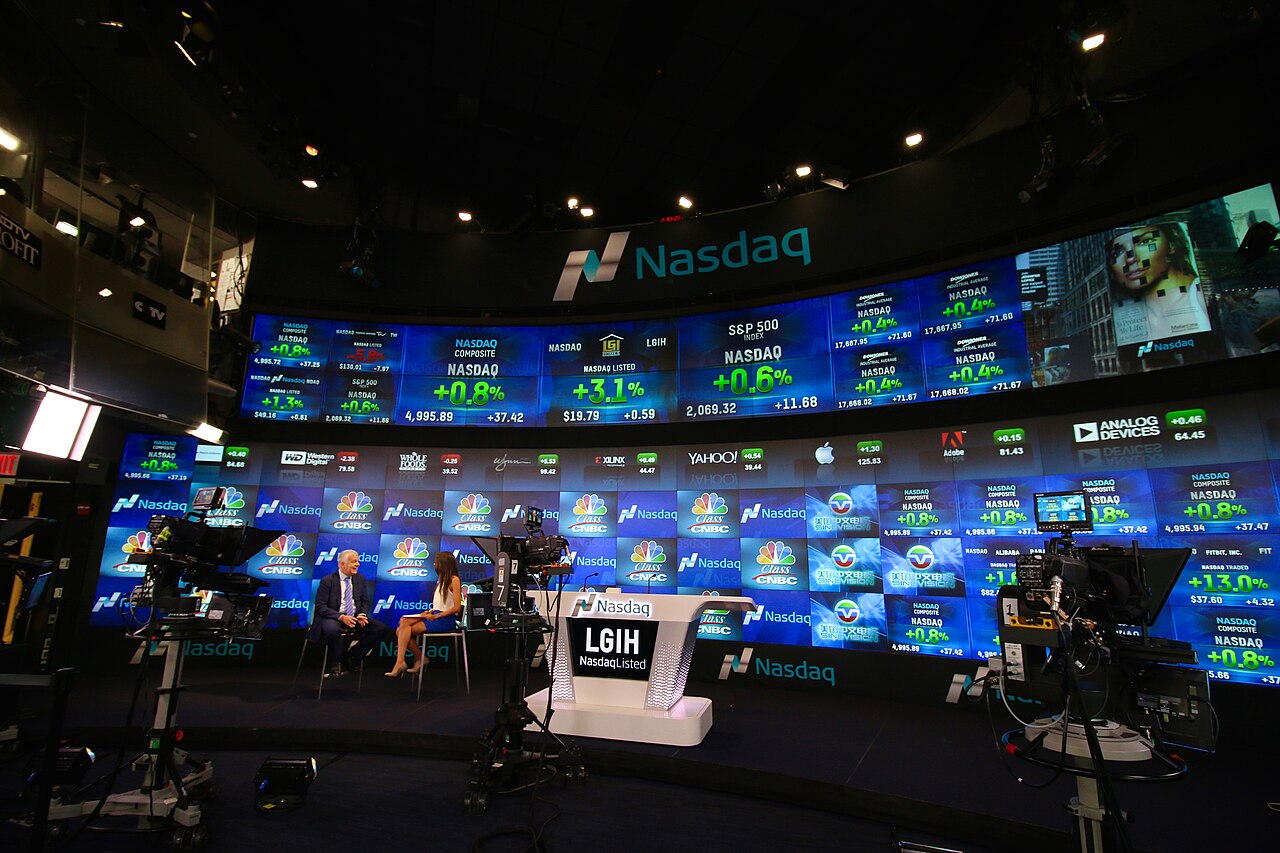
Anthropic is taking its rivalry with OpenAI to Wall Street. The Claude developer set the terms of its initial public offering on 10 November, offering shares at $70 to $78 each. The proposed sale of 825 million shares could raise up to $64.35 billion and imply a fully diluted valuation of roughly $1.4 trillion. The offering has not yet been completed.
The timing sharpens the contest. Four days earlier, Reuters reported that OpenAI had secured $11 billion in the first close of a funding round valuing it at $1.25 trillion. Anthropic’s upper-end IPO target would exceed that figure. But a proposed public valuation and a private financing valuation are different measures; neither establishes which company has the stronger business.
A contest for capital
TradeWar’s analysis is that this financing contest could influence how aggressively each company competes for customers. More capital can fund computing capacity, product development and the expensive work of integrating AI into corporate systems. A successful listing would give Anthropic more room to pursue those investments. OpenAI’s latest funding gives it resources to respond.
Anthropic is also arranging a separate $26 billion private placement with investors including Google, Nvidia and AMD, Reuters reported. The overlap between investors, suppliers and competitors makes this a complicated rivalry: companies selling the infrastructure behind AI can benefit even while the model developers fight for customers.
The battle inside business software
The commercial battleground is already visible. OpenAI offers workspace agents designed to carry out repeatable tasks across business tools. Anthropic’s Claude for Small Business connects with services including QuickBooks, HubSpot and PayPal, offering workflows for finance, sales and operations. Both companies are pursuing a role inside the systems businesses use every day.
The strategic prize is recurring dependence on those services. A company can compare two chatbots in minutes. Replacing an AI system connected to customer records, internal documents and established approval processes could take considerably more effort. That creates an incentive for both rivals to win integrations early and make their products useful enough for customers to renew.
For traders, manufacturers and logistics providers, the practical contest will be measured in work completed. Consider an agent preparing a quotation: it needs current prices, reliable shipment information, customer terms and permission to act. A persuasive answer alone cannot complete the job. The provider that connects intelligence to accurate operational data could gain an advantage, while specialist software and data suppliers could become valuable partners.
Money does not settle the economics
Yet raising more money does not settle the economics. Computing costs, integration support and the human effort required to correct mistakes all affect whether a customer relationship becomes profitable. Competition could improve products and pricing for buyers while putting pressure on the developers’ margins.
A successful Anthropic debut would establish a public valuation benchmark that investors could use when assessing OpenAI. Weak demand would also matter beyond Anthropic, potentially making investors more cautious about financing its rival. In that sense, the two companies are competing for capital while sharing exposure to the same market expectations.
Anthropic has made the next major move. Whether it gains a durable advantage will depend on the final IPO terms and what the proceeds produce. The decisive contest is which company can turn business adoption into lasting, profitable customer relationships.
What to watch
- The final IPO price, expected on 18 November, and the first day of trading on Nasdaq, expected on 19 November.
- Whether OpenAI completes the rest of its funding round, and at what valuation.
- How quickly each company turns business integrations into renewed, paying customers.