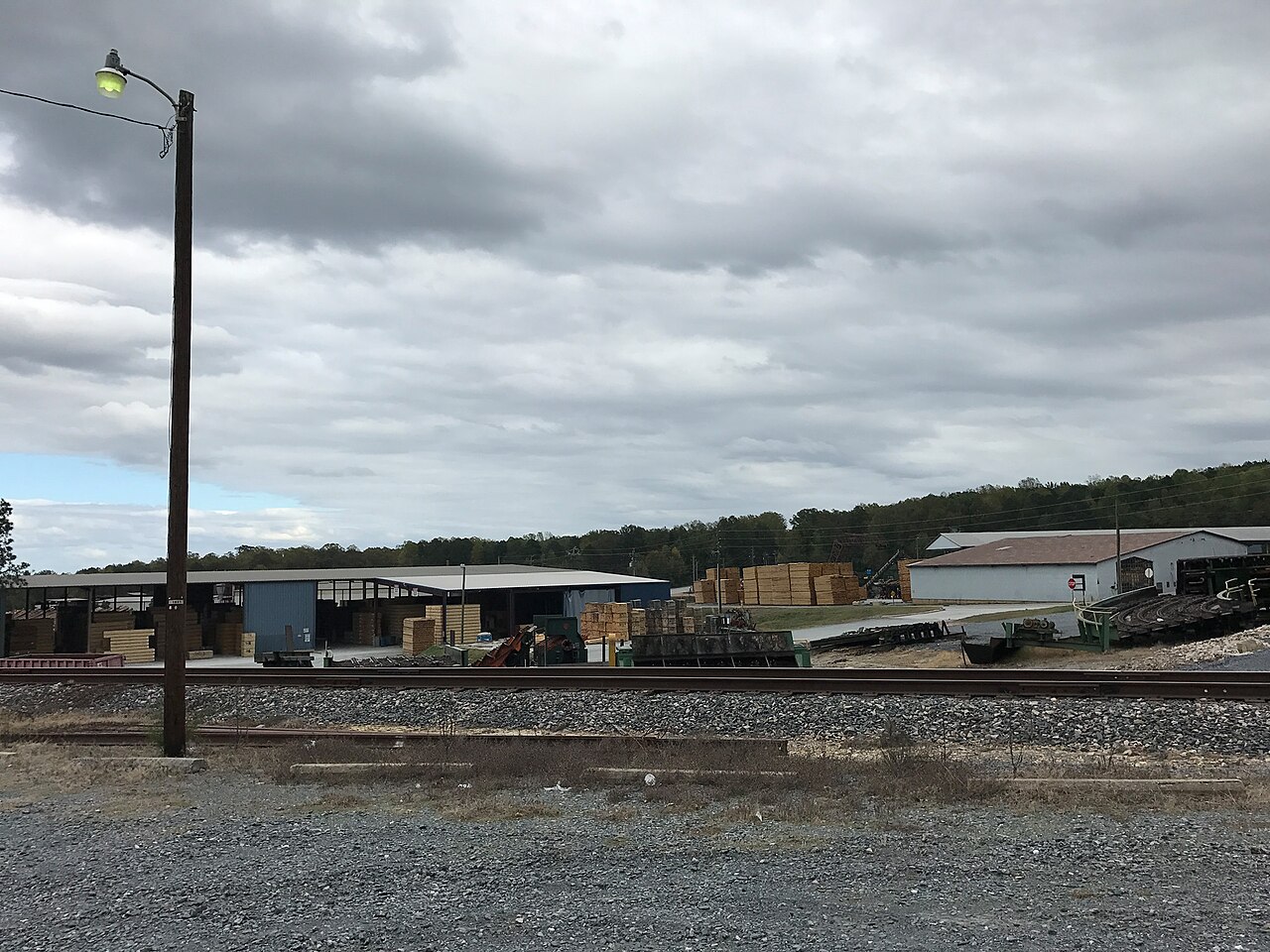
An order signed on 23 October takes the 50% duty off plywood, some paper, machinery and seaweed, and puts it on carpets, paints, freezers and canoes from 30 October. The overall standoff is unchanged.
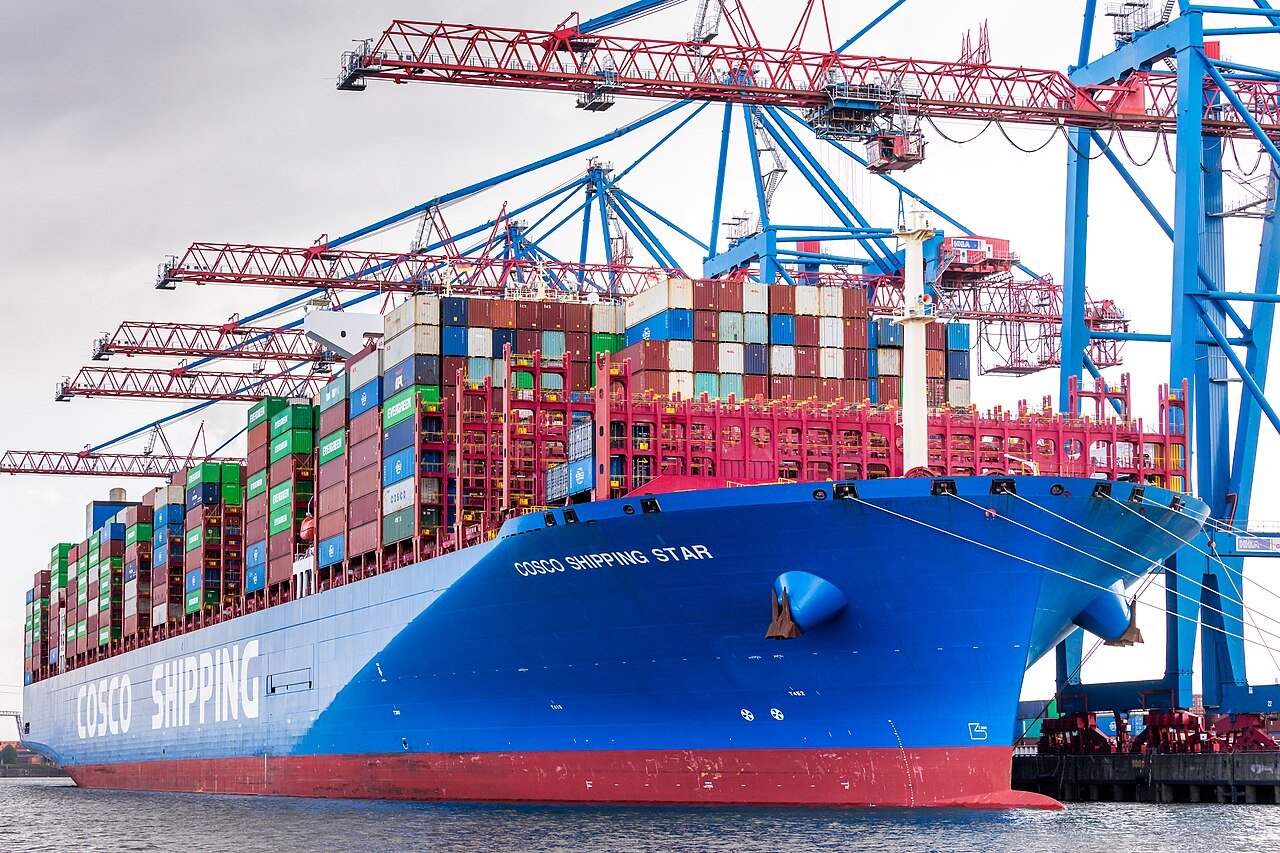
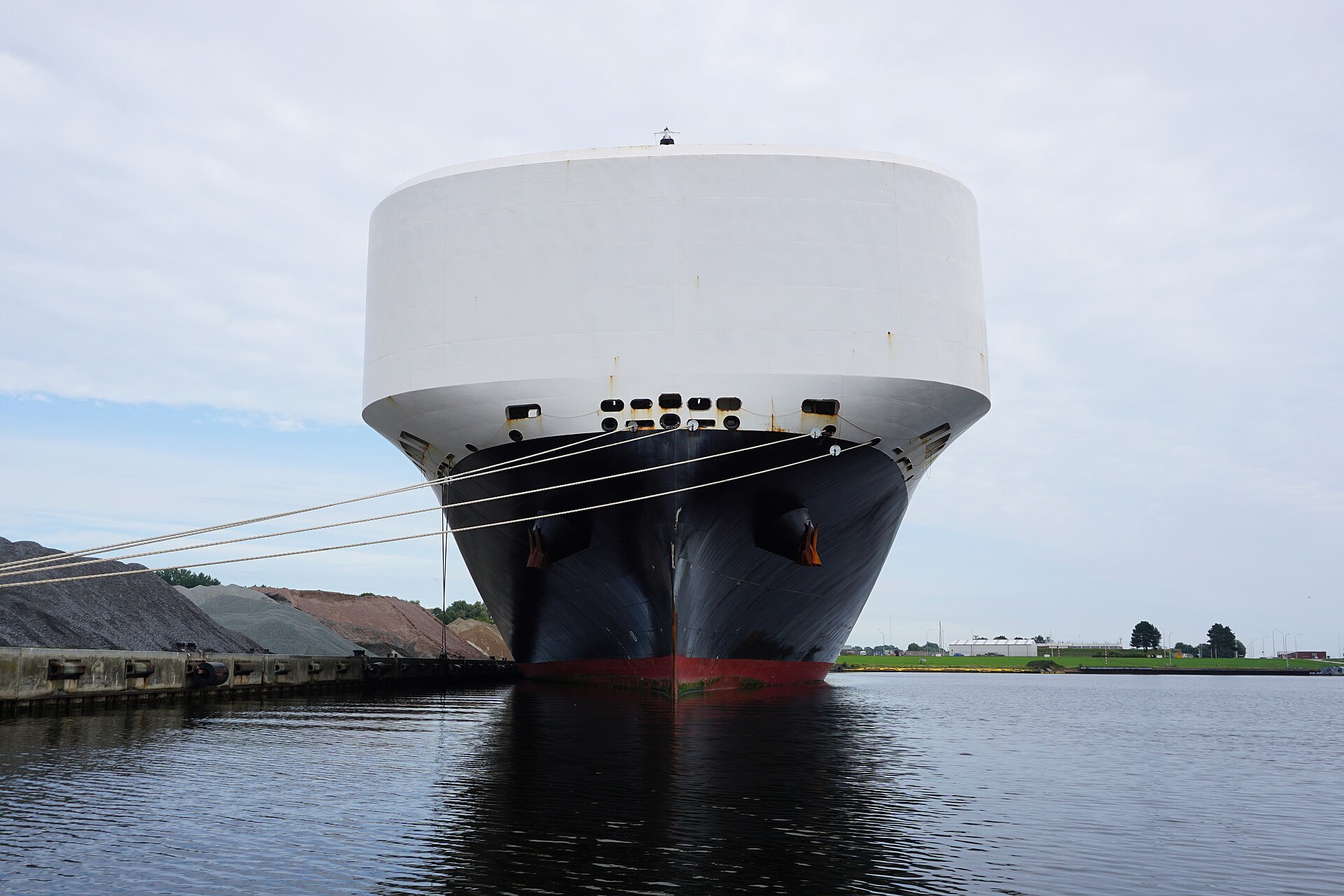
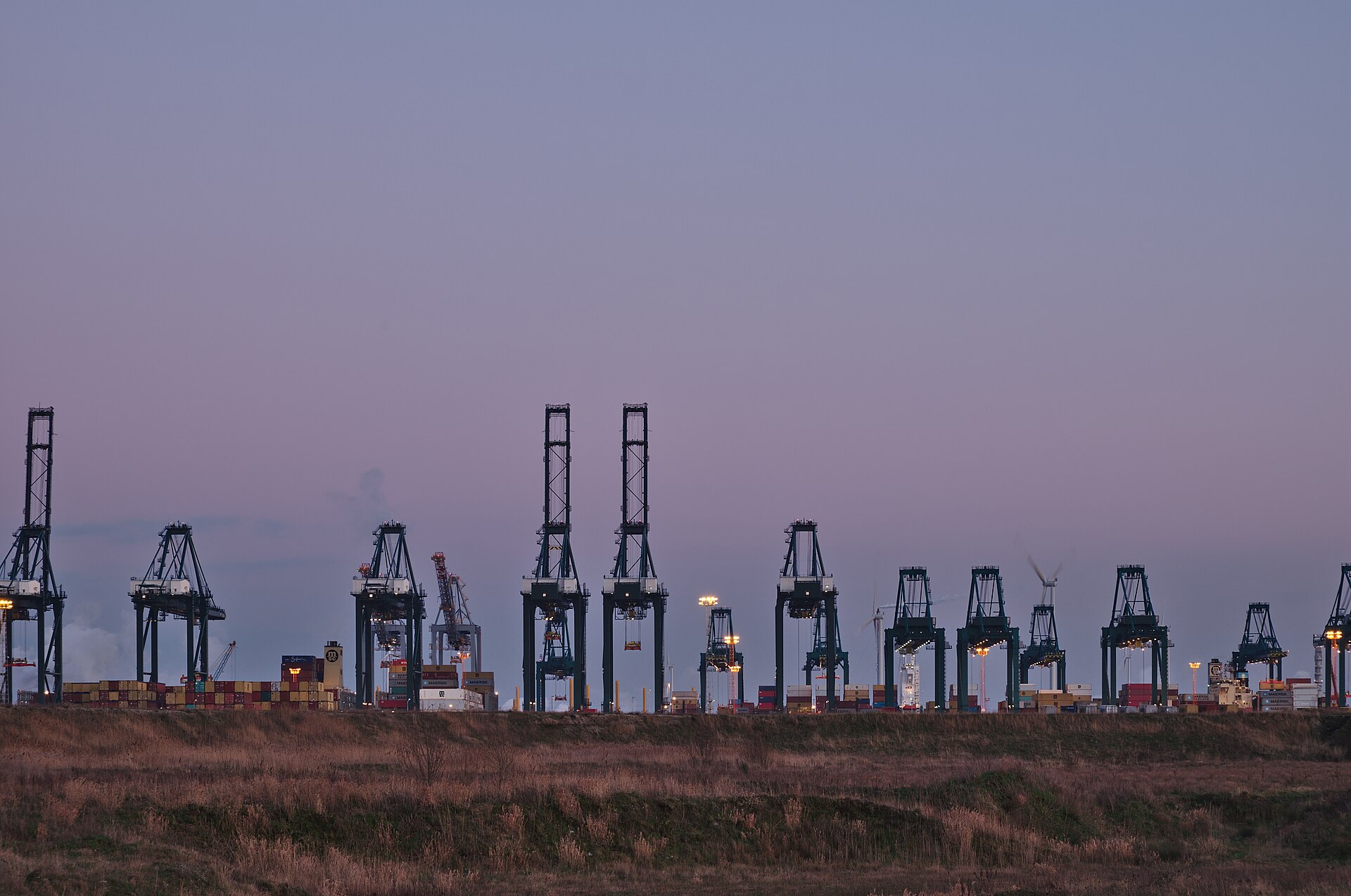
The trade representative’s office wants to keep the Section 301 vessel charges switched off until 9 January 2027, but the plan is not final and Beijing has not said whether it will match it.
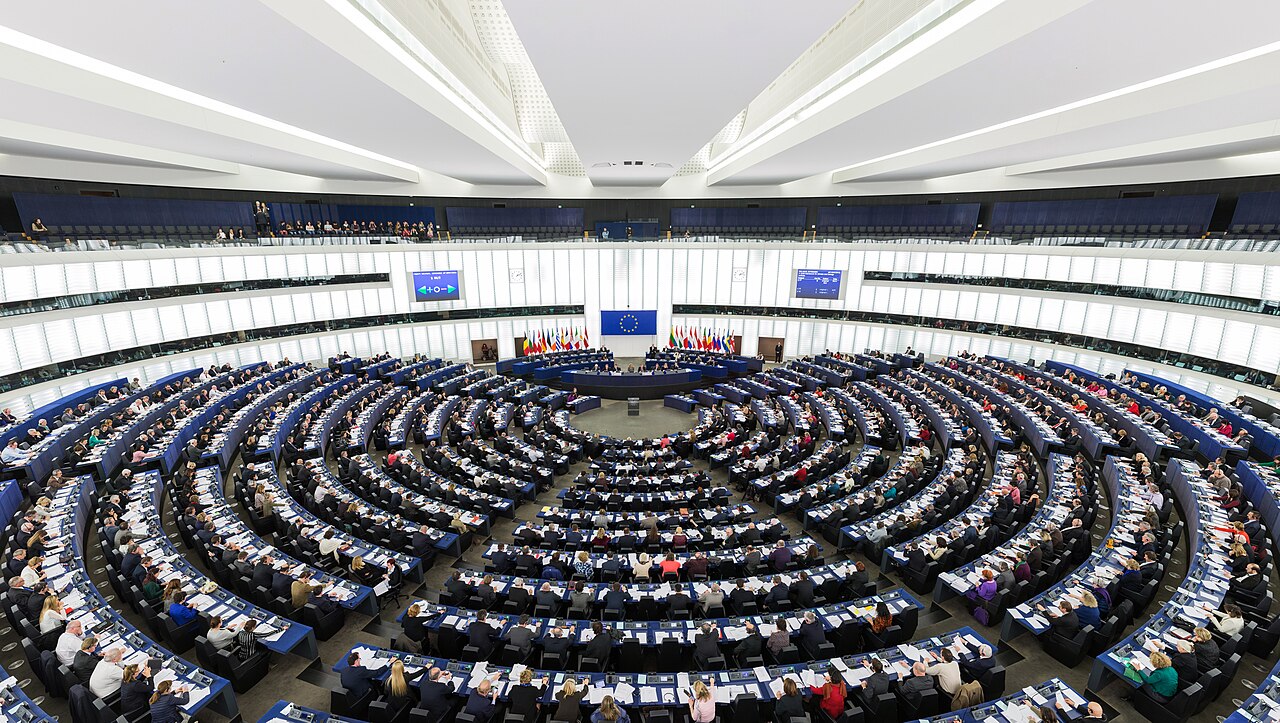
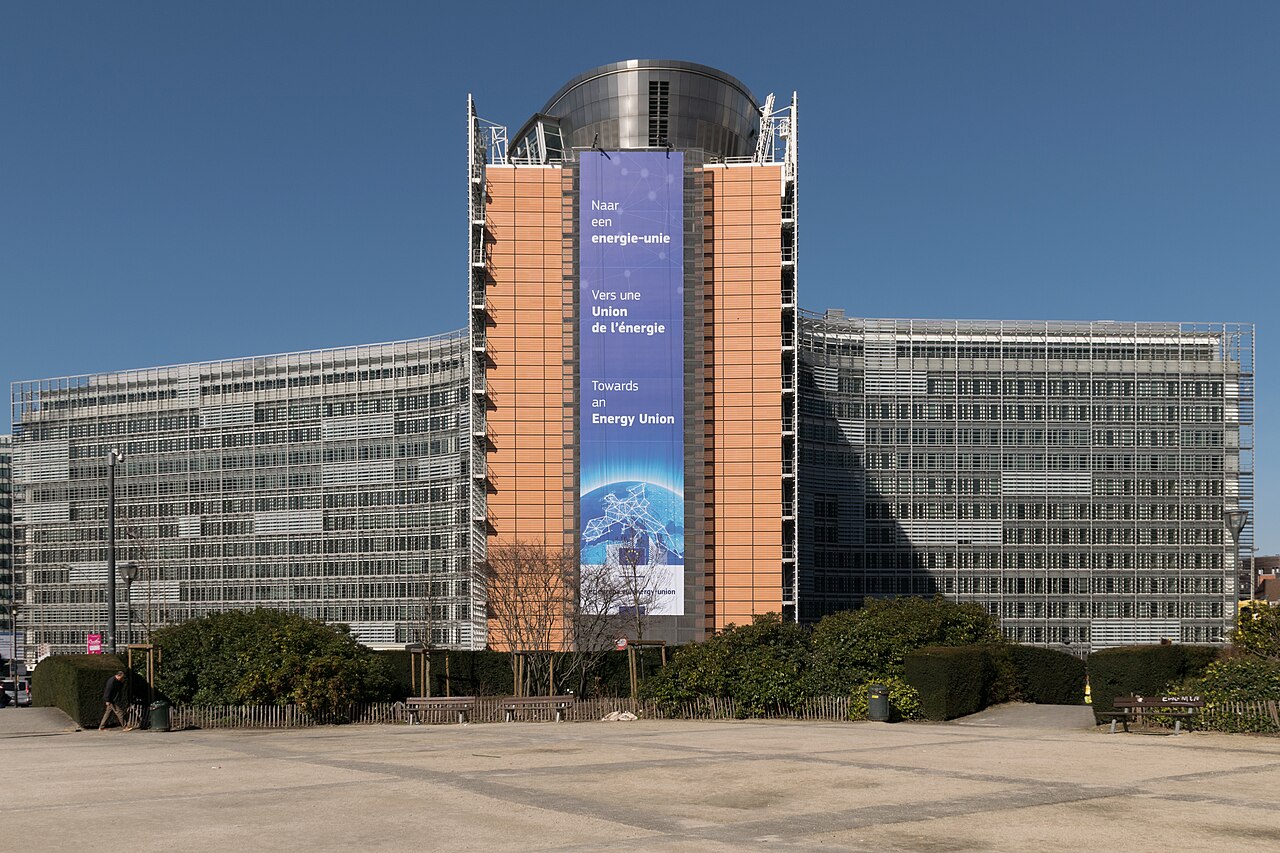
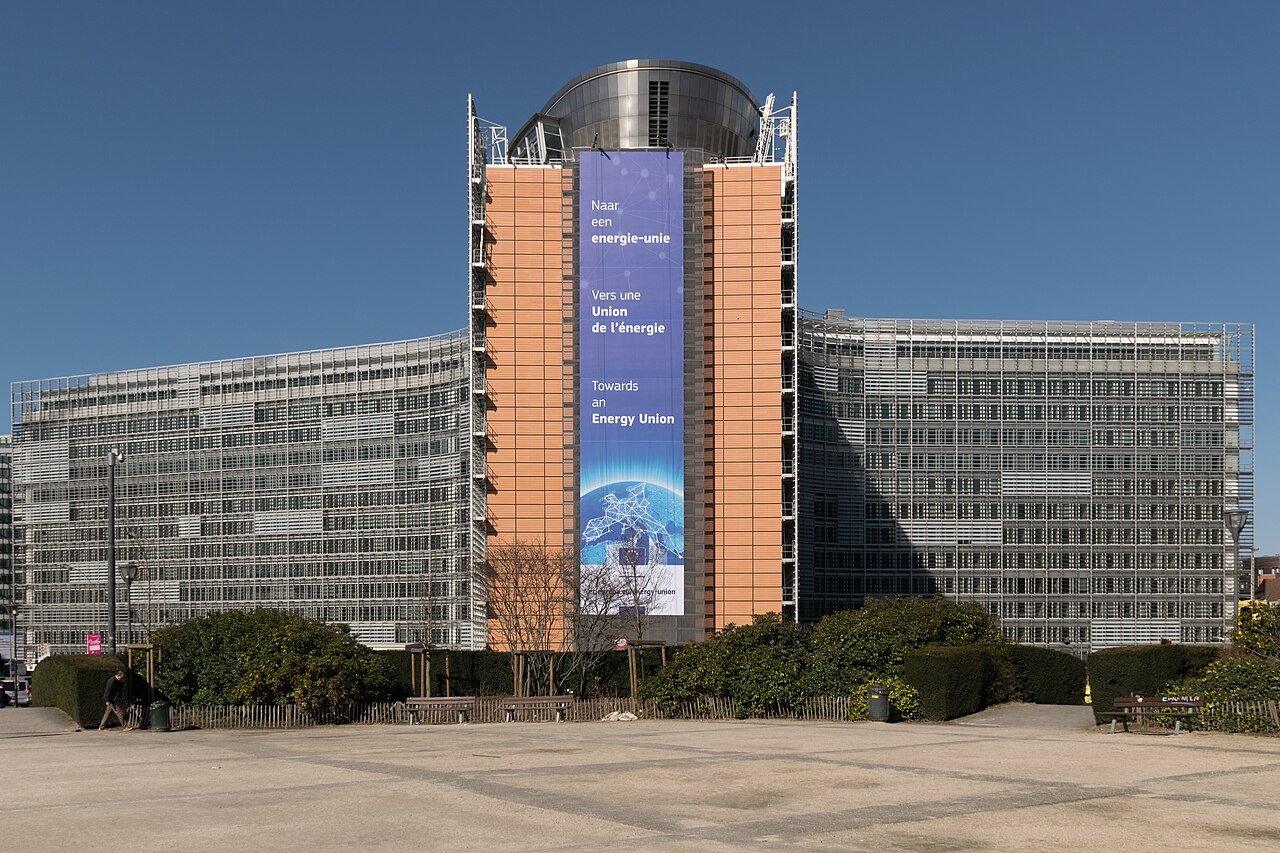
Seoul sent officials to Strasbourg to argue that the Industrial Accelerator Act’s EU-origin preferences should not shut out Korean carmakers, steelmakers and battery firms.
A final injury finding by the US International Trade Commission means anti-dumping and anti-subsidy orders on the three countries’ cells and modules can be issued in early November.
Jakarta’s trade ministry warns that Europe’s tougher quota-and-tariff regimes threaten market access for its steelmakers, and says it will press its case through diplomatic channels.
Brussels wants cheaper tuition for EU students and a youth mobility scheme; in return it is offering easier food trade and closer energy ties. A reported compromise would set EU fees at about £13,000 a year.
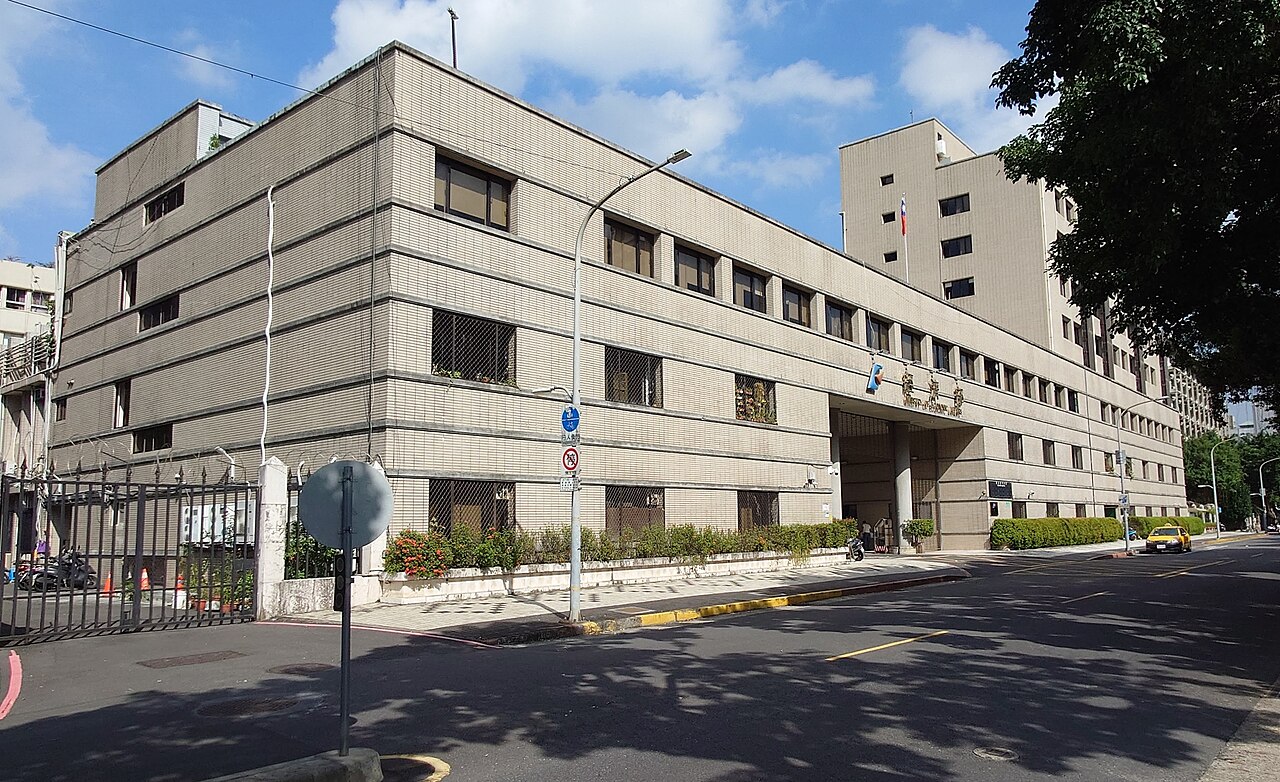
Taipei will add advanced semiconductors and AI servers to its export-control list, a step it ties to its trade deal with Washington. No start date has been set.
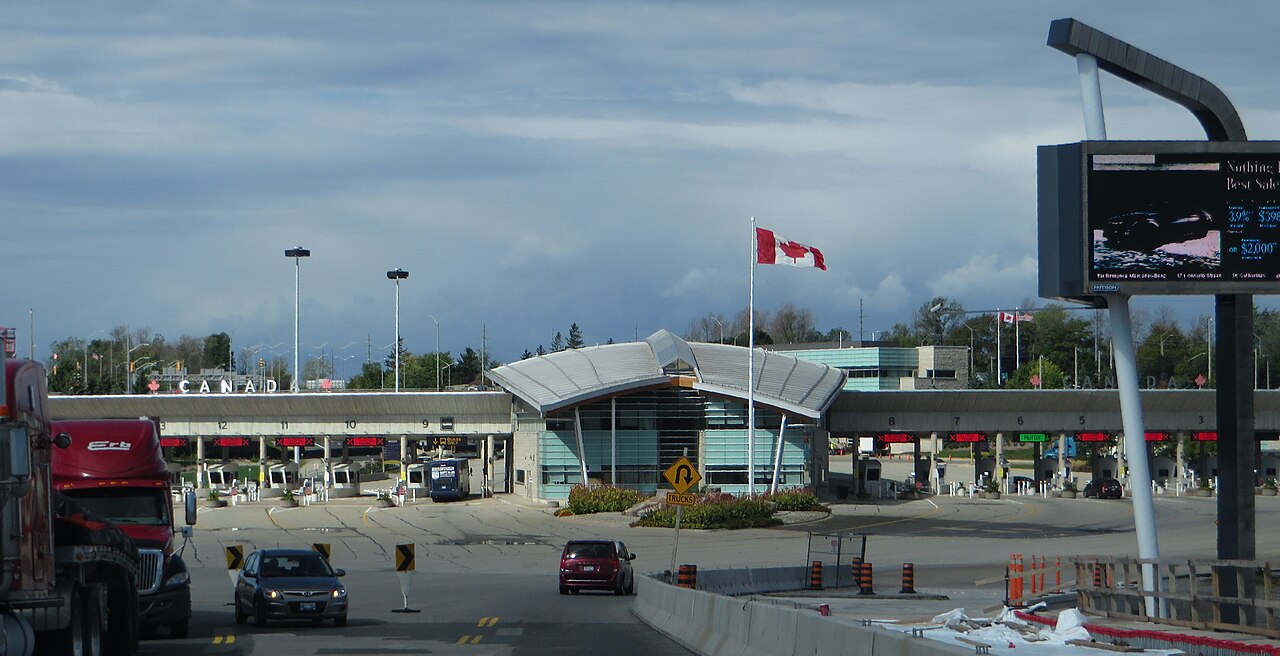
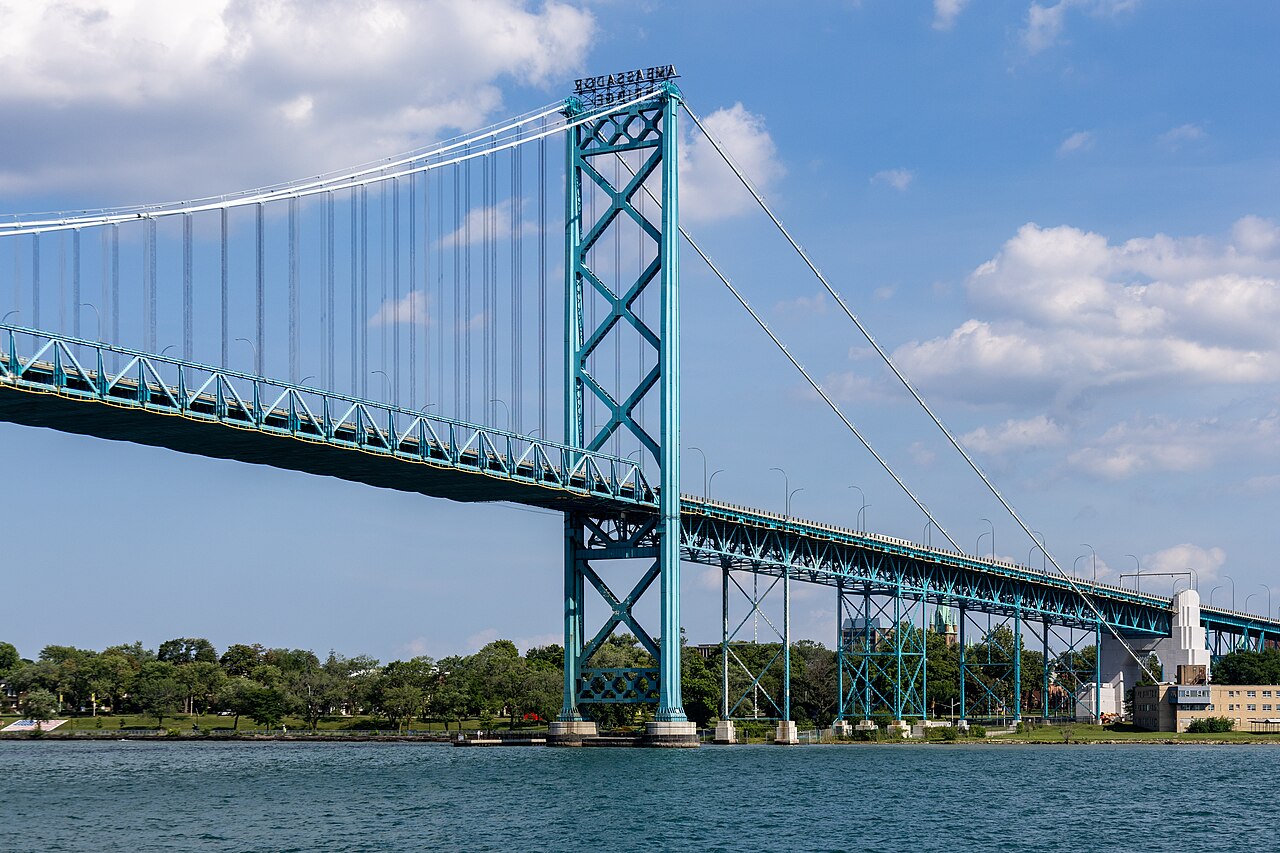
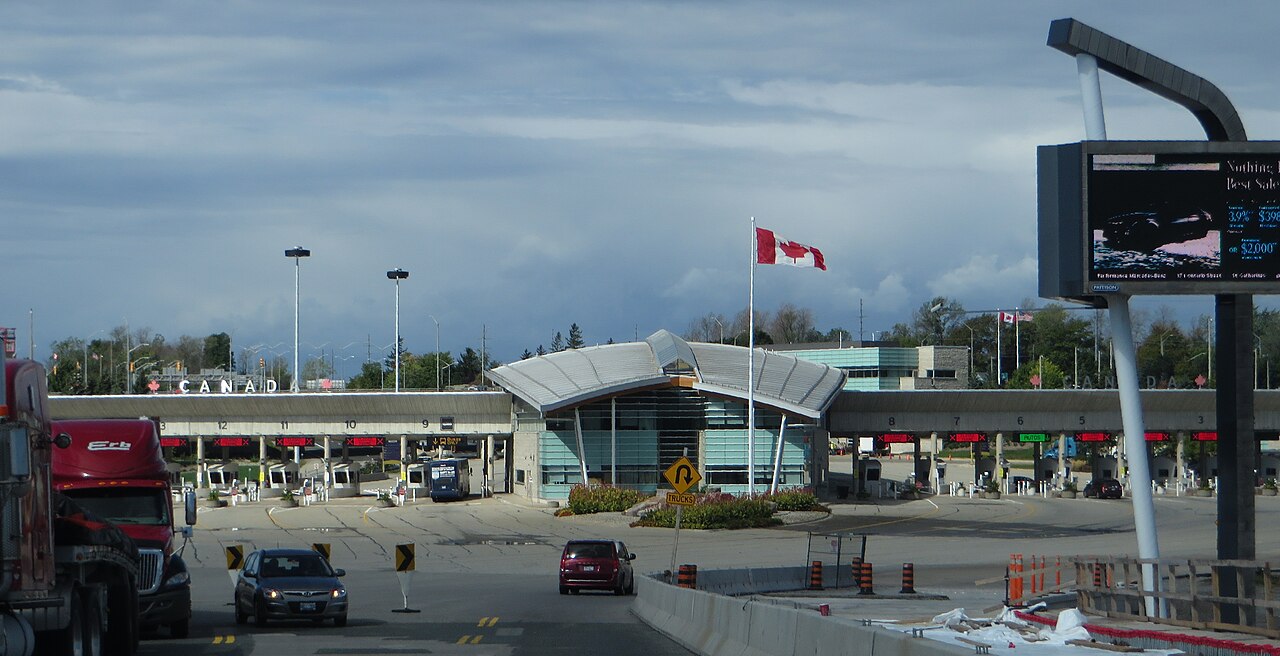
Washington has threatened to lift its 25% duty on Canadian vehicles to 50% on 1 January, and Ottawa’s opposition leader has taken his case for tariff-free auto trade straight to Detroit.
September brought a sixth straight year-on-year gain, yet car trips remain almost a third under pre-trade-war levels and many Canadians say a trade deal would not change their plans.
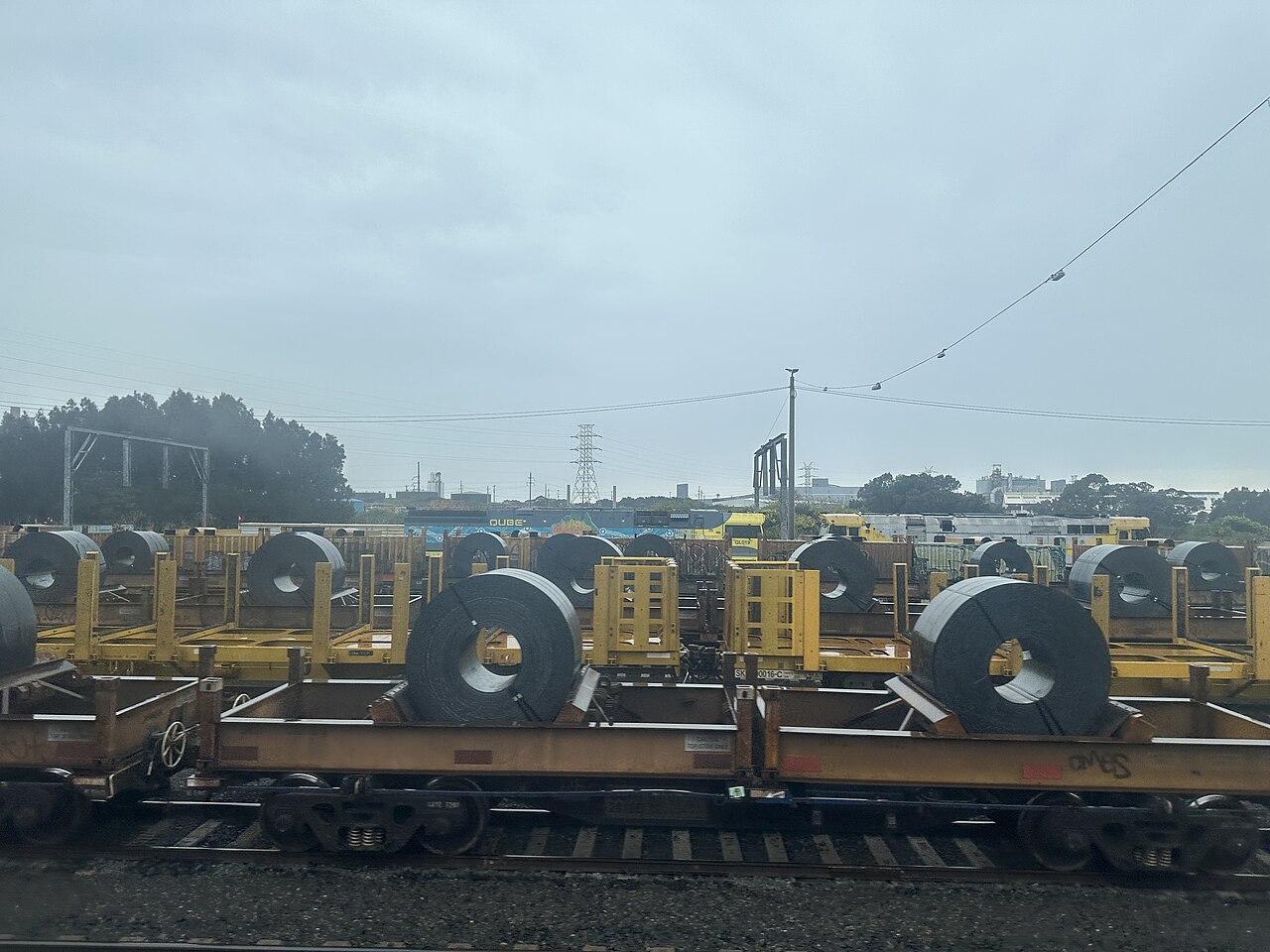
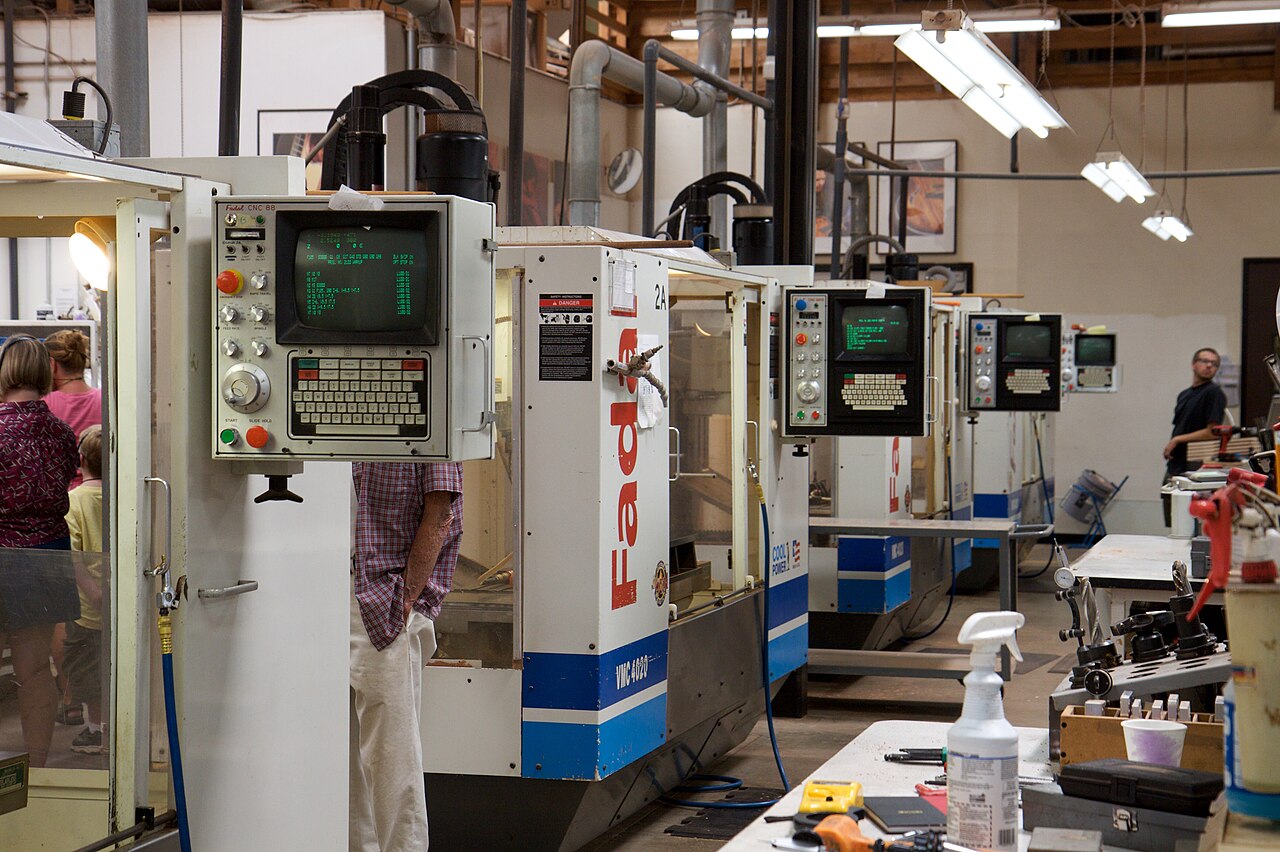
A year-old national-security probe into imported robots and CNC machines has produced no announced action, leaving manufacturers to plan around metal-content duties instead.
A revised draft drops the fixed 36-month deadline in favour of a risk-based phase-out, after operators warned of costs of up to $45 billion. Beijing has threatened retaliation.
Beijing’s investigation into a dye and pesticide intermediate lands as the EU’s trade commissioner prepares to visit, adding chemicals to a widening list of disputed goods.
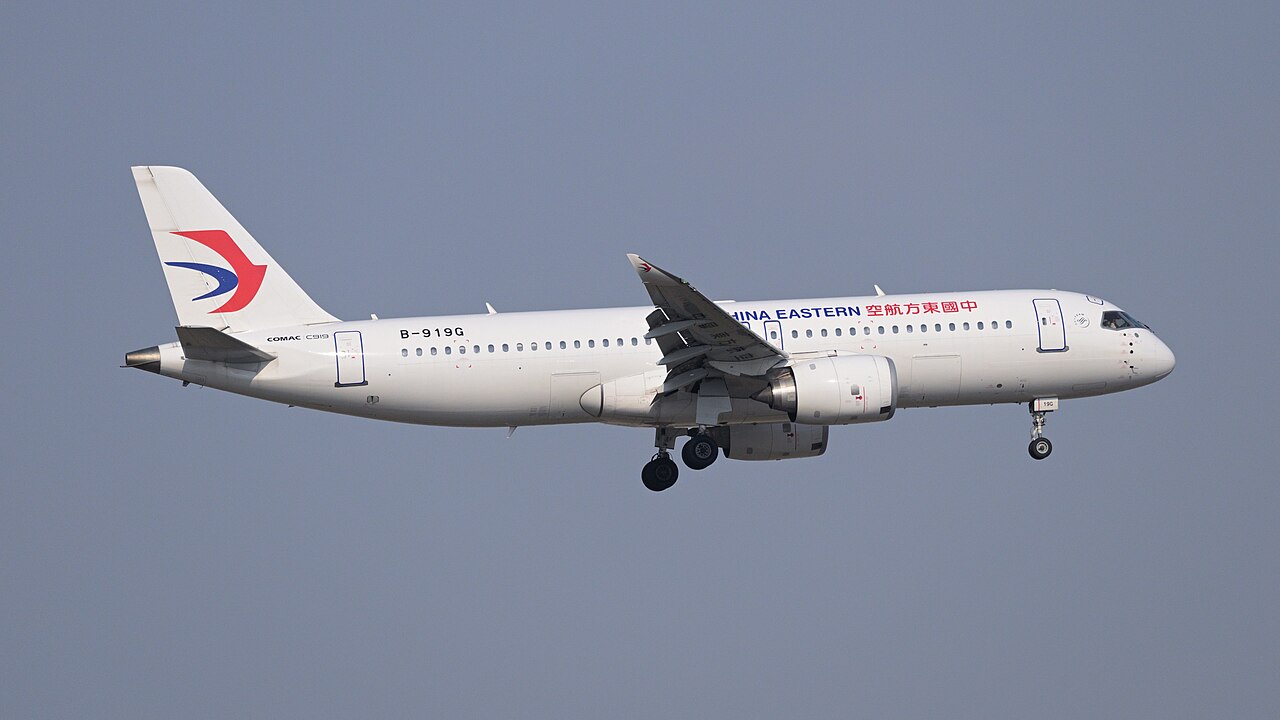
Washington has capped the parts it clears for Chinese planemaker COMAC and is weighing wider curbs, in a move commentators tie to China’s grip on rare earths.
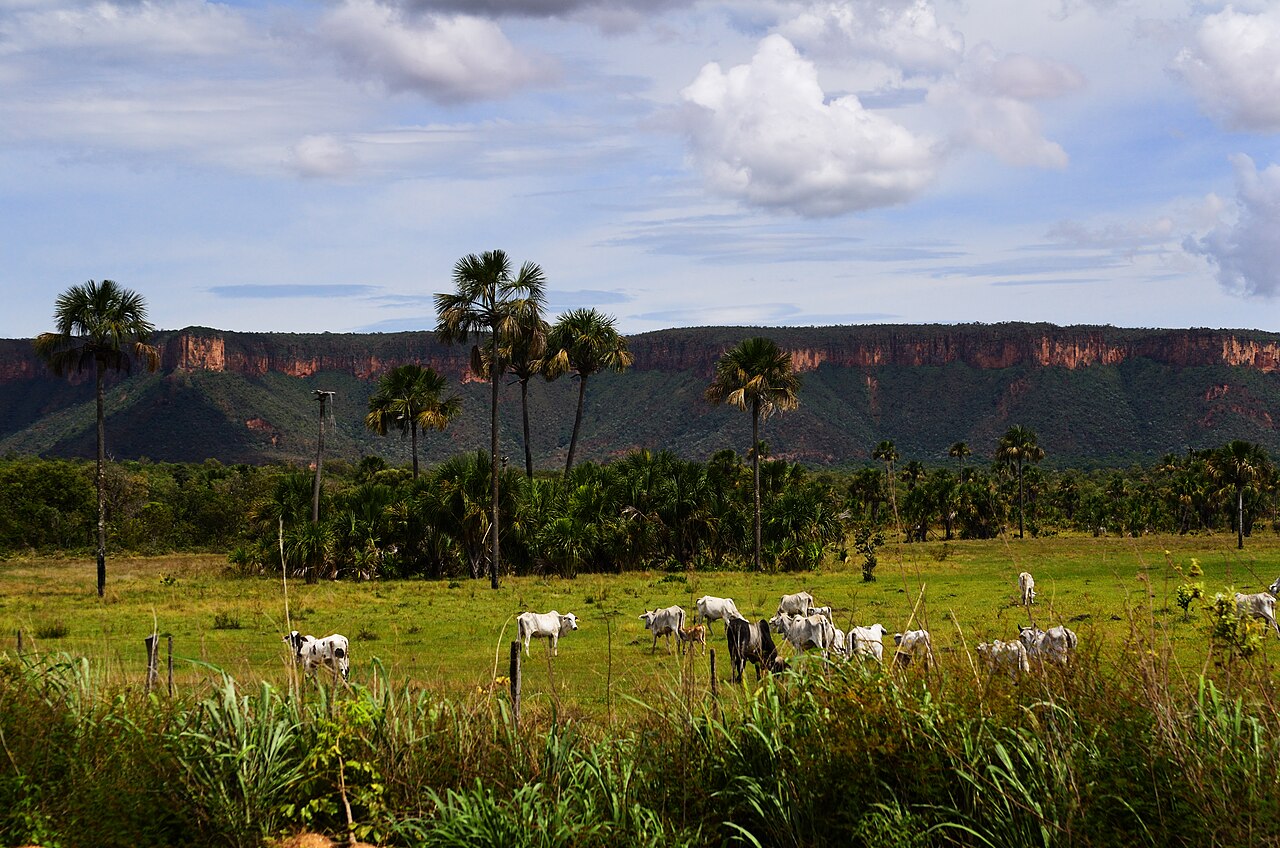
Brazil has used up its 2026 allowance under China’s beef safeguard, so shipments now pay 67% in total for the rest of the year. Beijing has also not accepted Brazil’s plan to borrow Uruguay’s unused volume.
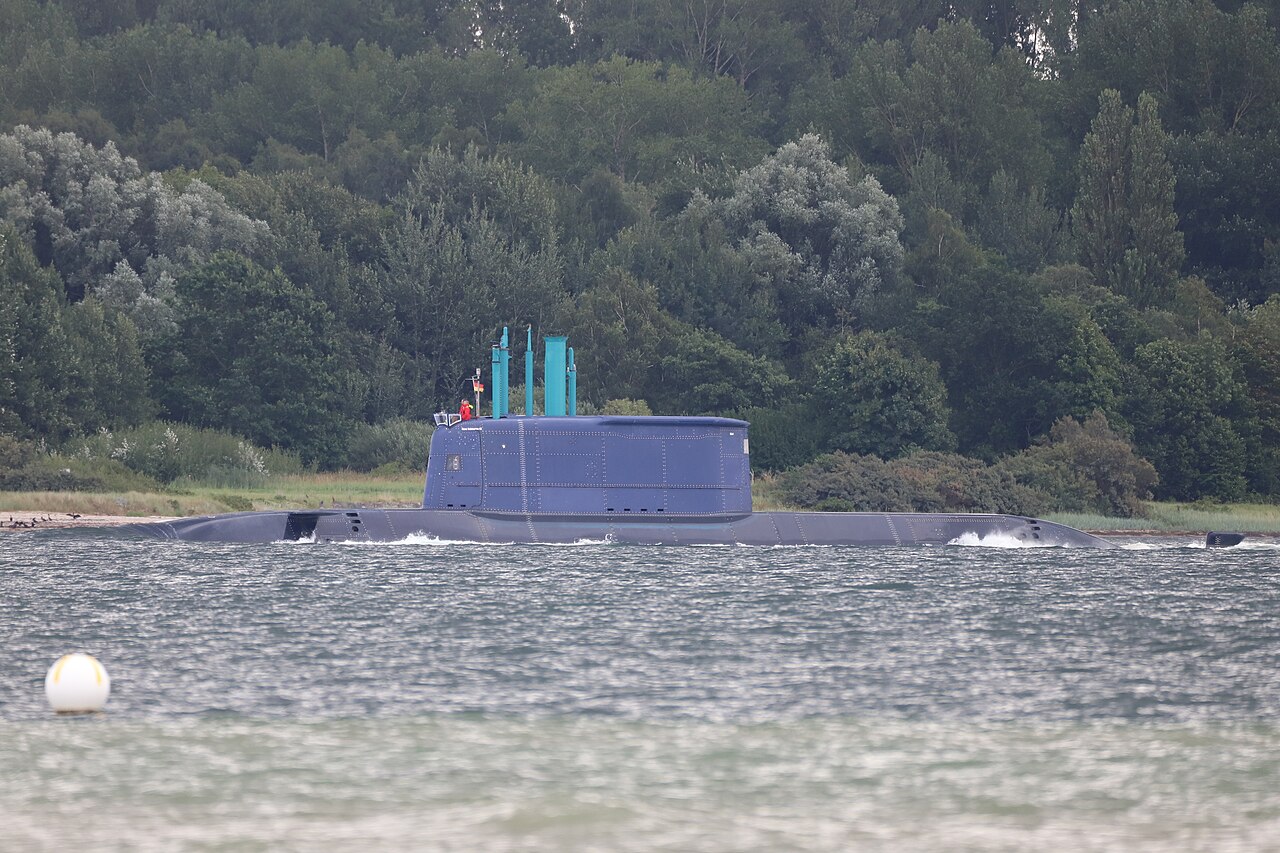
Berlin cleared almost €800m of licences in five months, more than in the previous 20 months combined, with most of the value tied to a single naval project.
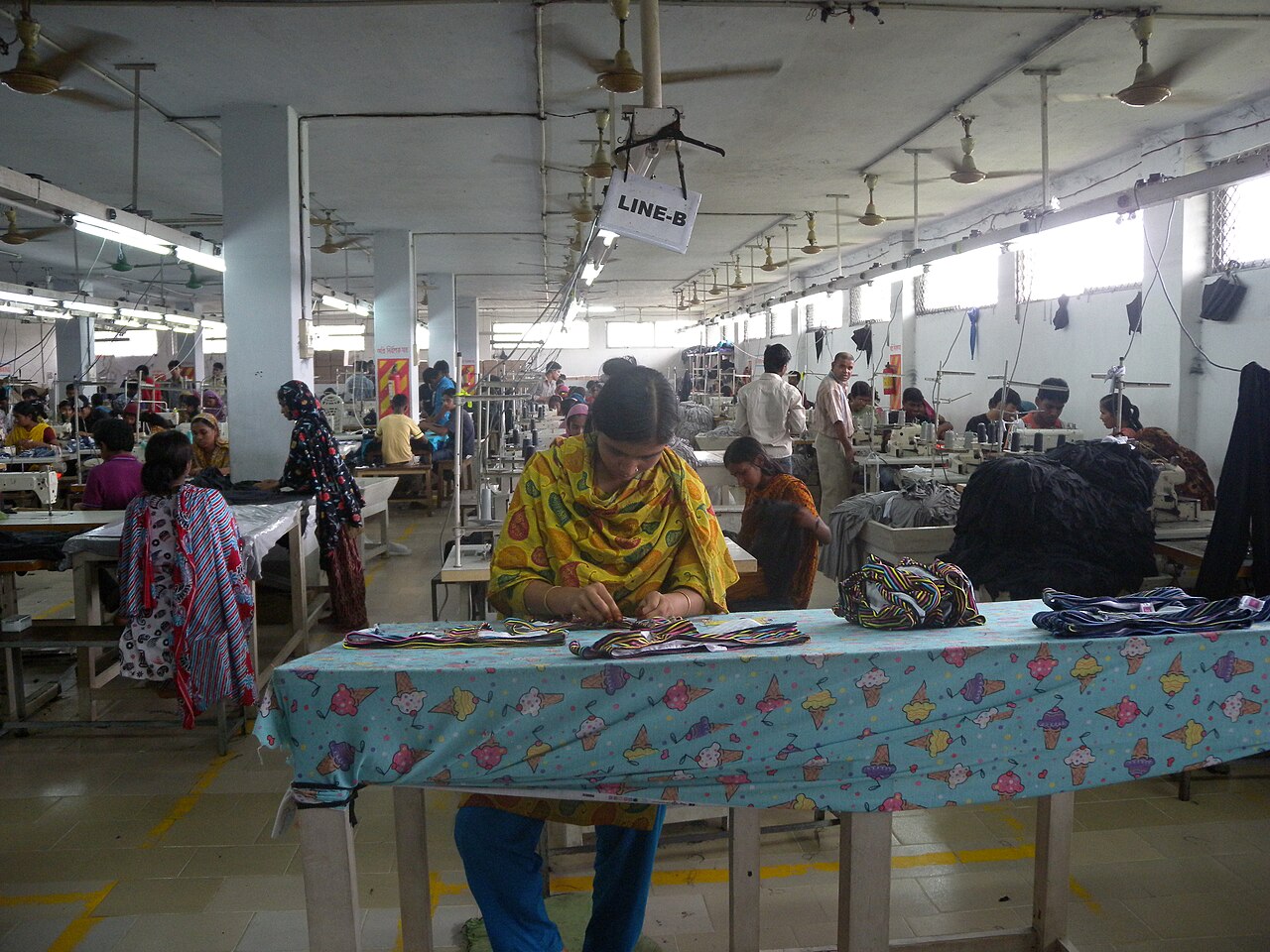
New Section 301 duties of 10% or 12.5% replaced the expired temporary tariff on 24 July. Bangladesh, Cambodia, Indonesia and Malaysia were promised a duty-relief quota tied to buying US cotton.
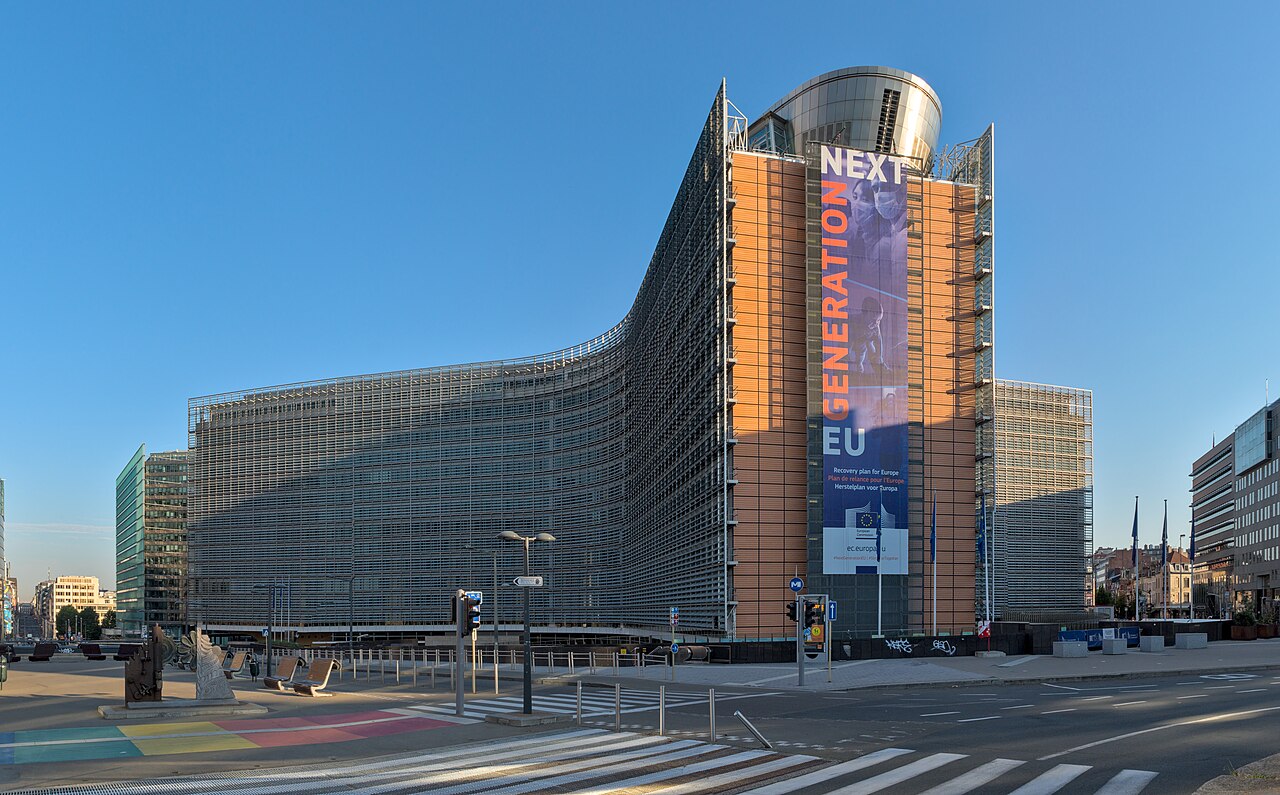
Brussels adopted its largest set of Russia listings since 2022, extending transaction bans to banks and crypto platforms outside Russia that it says help evade sanctions.
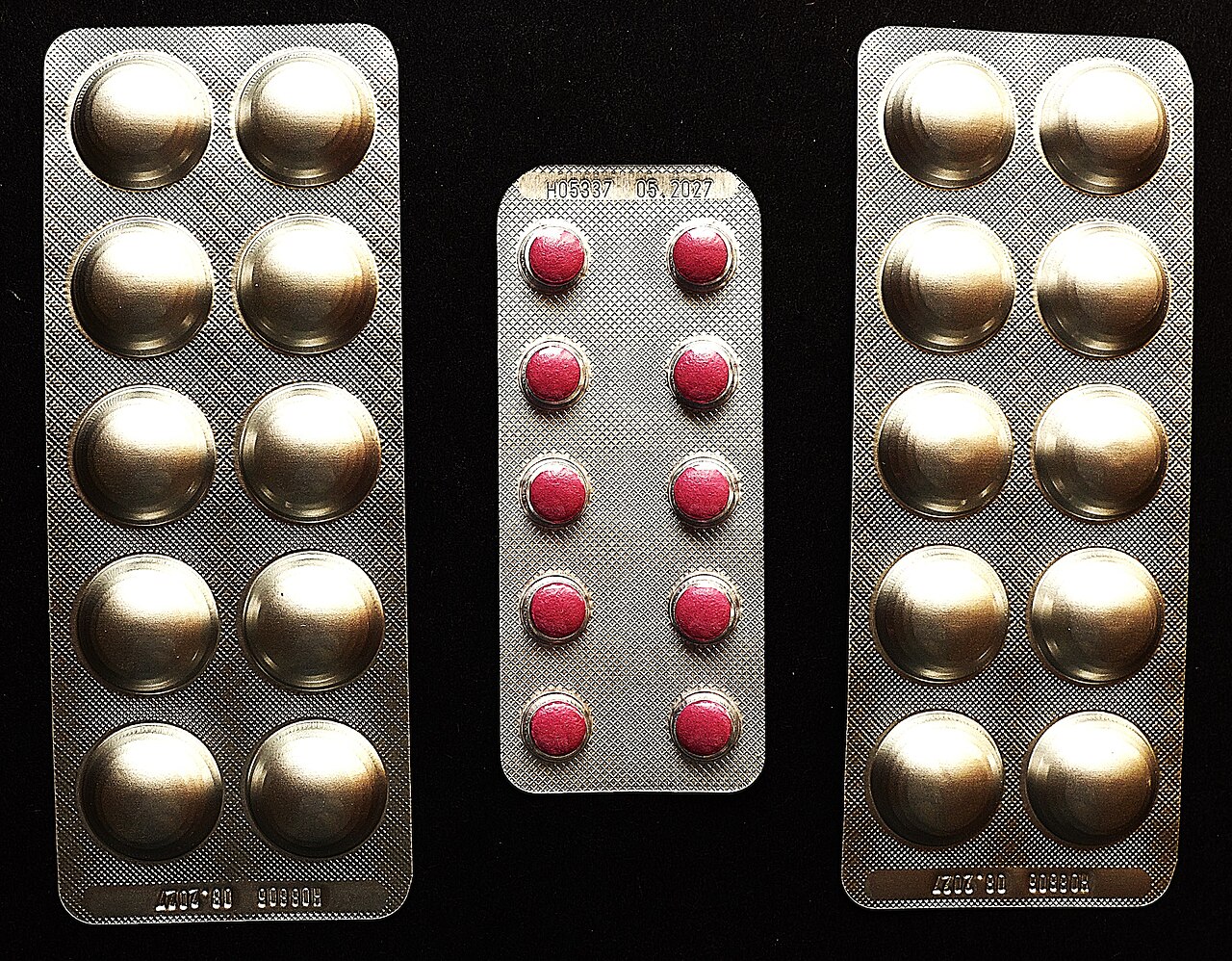
Washington says generics stay duty-free until August 2028, then face 100% and later 200% levies unless production moves to the US. India supplies an estimated 40–45% of the generics Americans take.
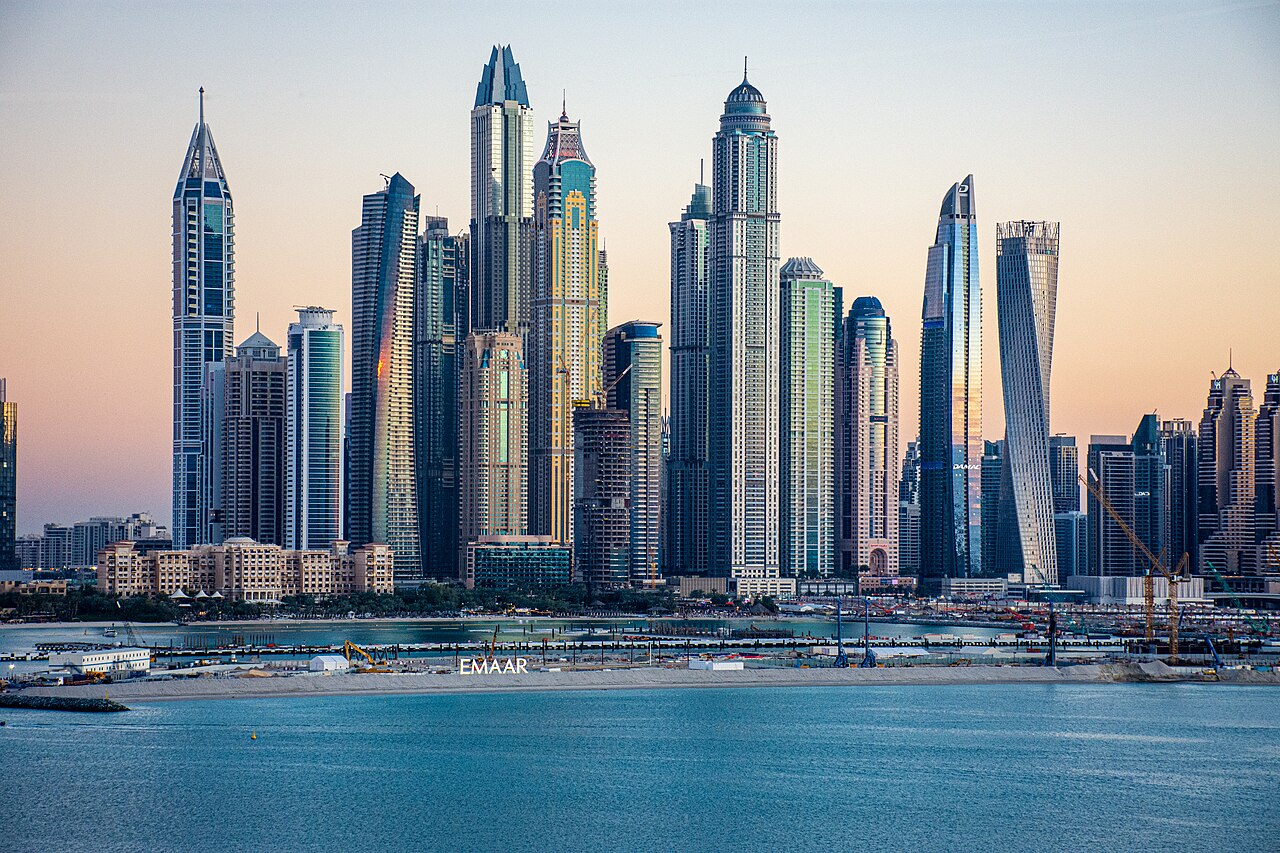
Treasury says Ali Ansari used a St Kitts holding company to build real estate holdings in Europe and the Gulf for the benefit of Iran’s elite and the Revolutionary Guards.
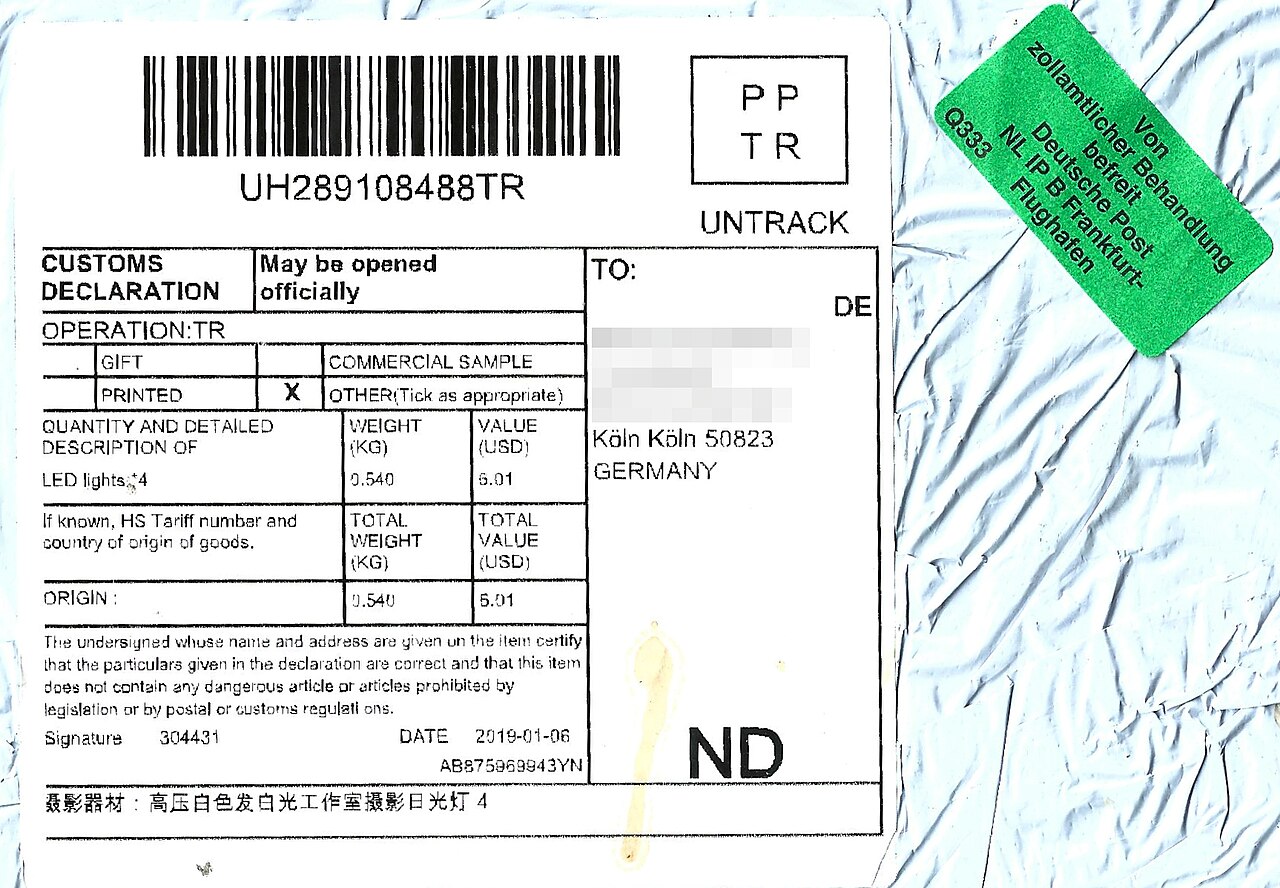
The temporary duty, aimed squarely at the flood of low-value shipments from China, replaces an exemption that had stood since 2008. France says parcel imports from China have since fallen by up to 40%.