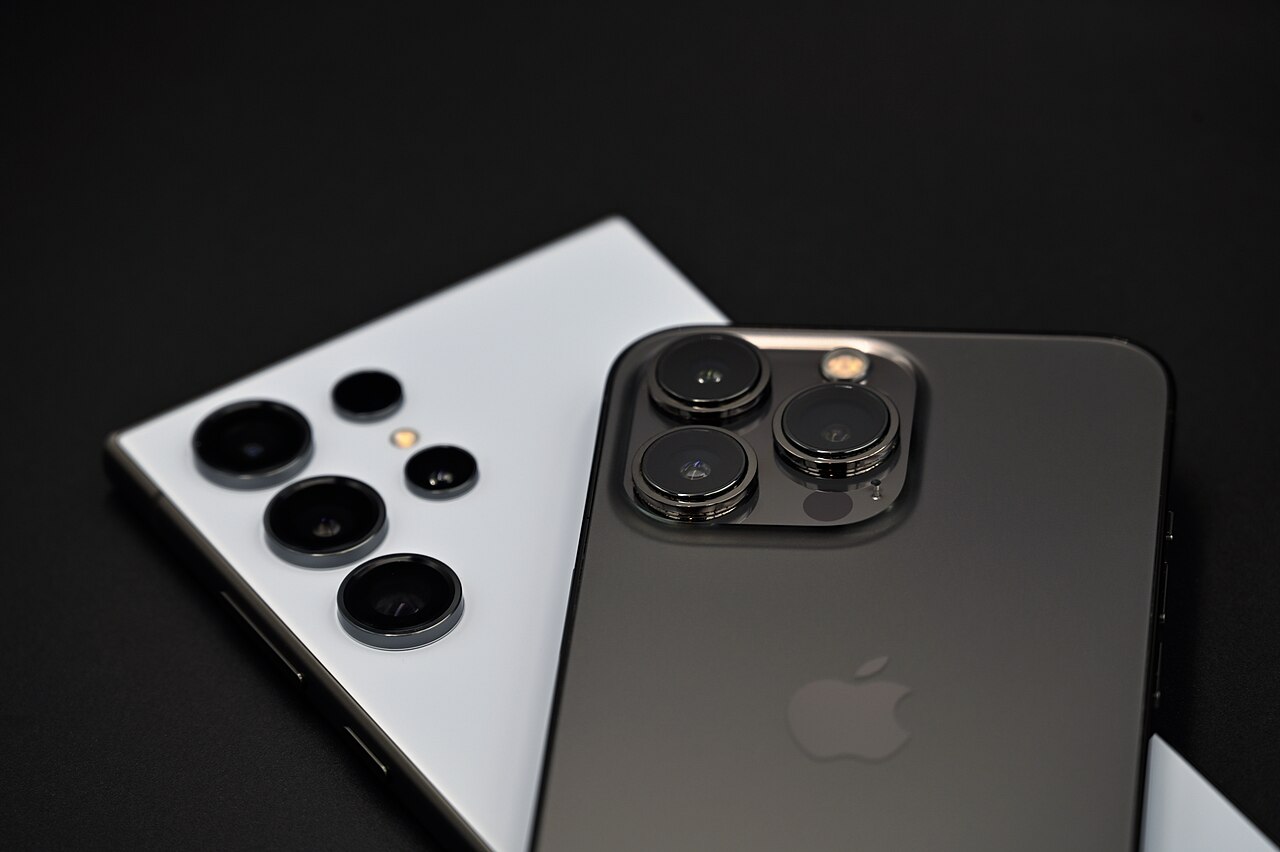
Maxell, the Japanese electronics and storage company, has asked the US International Trade Commission to stop Samsung smartphones and tablets from entering the United States. The Commission voted on 11 August to open an investigation, and the notice appeared in the Federal Register three days later.
The complaint names Samsung Electronics Co. and Samsung Electronics America and asserts six US patents. It covers smartphones and tablets branded and sold by Samsung.
What Maxell is asking for
Maxell is seeking a limited exclusion order, which US Customs would enforce at the border, and cease-and-desist orders that would stop Samsung selling accused devices already imported. It is not asking the ITC for damages, which the Commission cannot award in any case.
At this stage the ITC has made no finding that Samsung infringes any of the patents. Samsung must respond to the complaint, and at the time the investigation opened, no presiding judge had been assigned and no hearing schedule published.
How a Section 337 case works
Section 337 of the Tariff Act lets the ITC investigate unfair practices in import trade, including patent infringement. An administrative law judge hears the evidence and issues an initial determination. The full Commission then decides whether to adopt it and what remedy to order.
Any exclusion order goes to the White House for a 60-day review, during which the president can disapprove it on policy grounds. That rarely happens. Cases typically take well over a year from start to finish.
In a patent fight, the threat of a border ban often matters more than any damages award.
Why companies choose the ITC
For patent holders, the attraction is speed and leverage. The ITC moves faster than most federal courts, and an import ban on a flagship product creates pressure that a damages claim does not. Many Section 337 cases end in licensing settlements before a final decision.
Not the only case
Samsung is not the only phone maker facing the ITC. On 15 September the Commission opened a separate investigation, 337-TA-1521, brought by a small audio company that names both Apple and Samsung over spatial audio patents.
What to watch
- Samsung’s formal response and any challenge to the patents’ validity.
- The procedural schedule, including the date of the evidentiary hearing.
- Signs of a licensing settlement, which often ends such cases early.