Germany has sharply increased arms export approvals for Israel less than a year after pausing some of them over the war in Gaza. Berlin cleared almost €800m ($913m) in licences in the first five months of 2026, more than in the previous 20 months combined, Al Jazeera reported on 27 July. Nearly all of the approvals came in April and May.
The figures emerged in a Federal Foreign Office reply to a parliamentary question from the Alternative for Germany (AfD). The government did not say what most of the licences covered beyond describing a single large naval project that accounts for more than 60% of the value.
The submarine behind the numbers
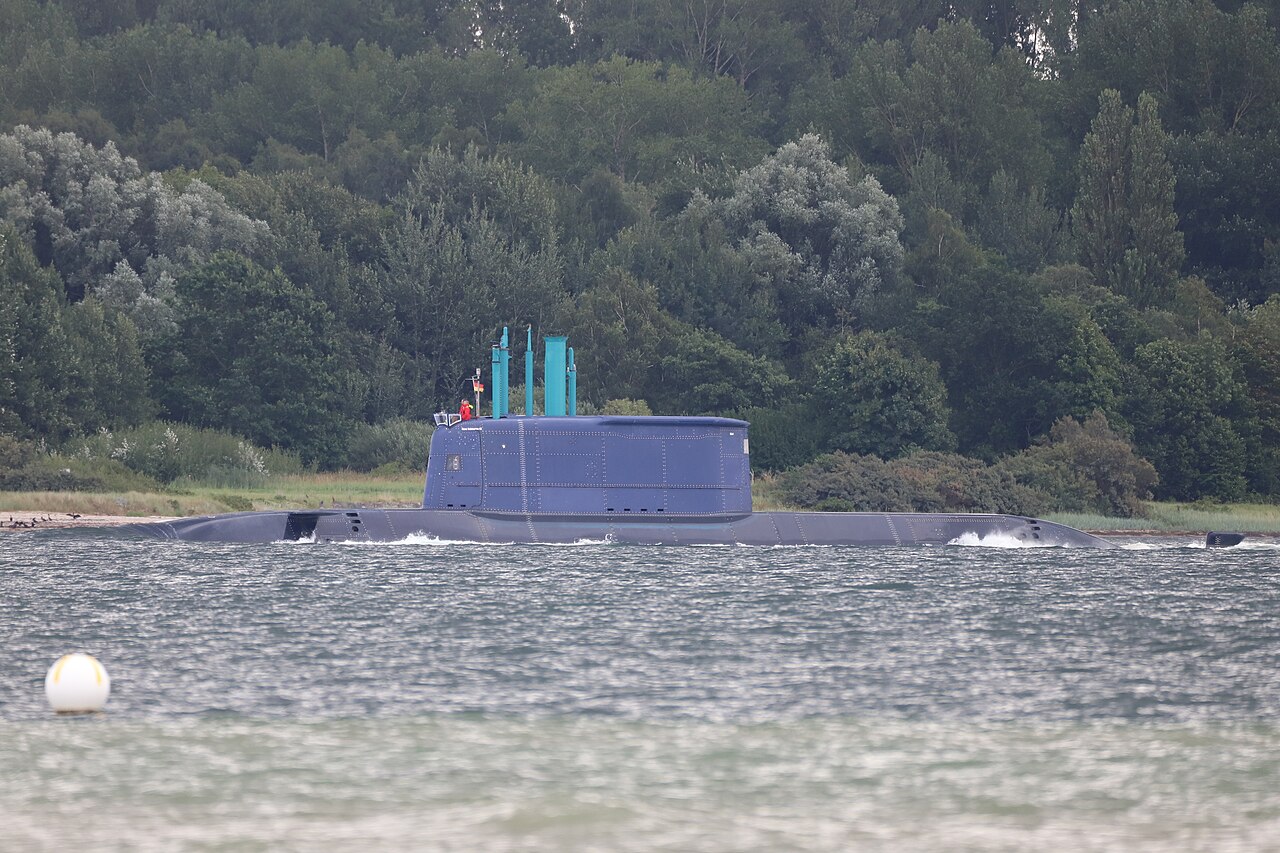
Analysts believe the project is the INS Drakon, a Dolphin II-class submarine built by ThyssenKrupp Marine Systems (TKMS) in Kiel and estimated to cost €480m. It was reportedly handed to the Israeli Navy in July. The Foreign Office and economy ministry declined to comment on the project, according to The World Politics. Germany reportedly helps finance about 30% of the boat’s cost.
From suspension to surge
In August 2025 Chancellor Friedrich Merz said Germany would issue no further licences for military equipment that could be used in Gaza. The government lifted that restriction in November and returned to case-by-case reviews. Deliveries approved before the pause continued throughout.
Israel is still a small part of the picture. Germany approved €13.87bn of arms export licences in the first half of 2026, more than four times the figure for the same period of 2025, with Ukraine the largest recipient. Max Mutschler of the Bonn International Centre for Conflict Studies called the government’s silence on the project “typical of the lack of transparency surrounding arms exports”.
Berlin’s Gaza pause proved short, and the first full figures since show defence industry orders winning out.
TKMS, which signed a memorandum of understanding with Israel’s Elbit Systems in May, is also preferred bidder for up to 12 submarines for Canada.
What to watch
- Licence data for the second half of 2026 and any renewed parliamentary challenge.
- Whether Berlin confirms which systems the remaining licences cover.