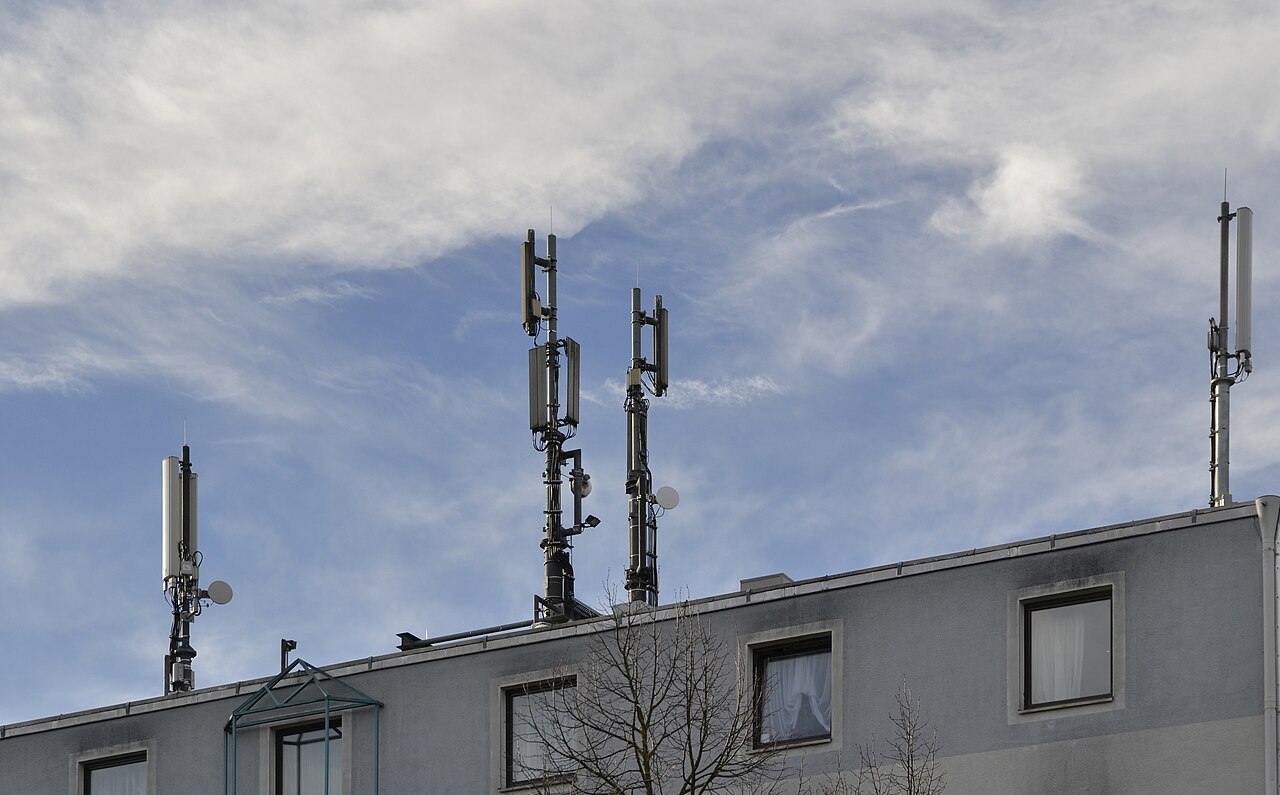
Germany’s telecoms regulator has drafted rules that would, for the first time, treat mobile antennas and base stations as critical infrastructure, giving the government the legal basis to order Huawei equipment out of the country’s 5G radio networks.
The Federal Network Agency (Bundesnetzagentur) catalogue states that all functions of the gNodeB, the 5G base station including its antennas, are critical. It was prepared with the BSI federal cyber-security office and the federal data protection commissioner, and has been public on the EU’s technical regulation portal since 30 September, according to Heidelberg24.
What changes
In 2024, Deutsche Telekom, Vodafone and Telefónica agreed with the government to remove Huawei components from their core networks by the end of 2026 and to replace part of Huawei’s radio management software by the end of 2029. The radio access network itself was left out. The new draft reverses that position. Once a function is deemed critical, the Interior Ministry can prohibit operators from using components from specific suppliers.
Light Reading, citing analysts at Strand Consult, estimates Huawei accounts for about 58% of Germany’s radio footprint, or roughly 46,000 sites.
Germany spent years excluding antennas from its Huawei rules; this draft puts them back at the centre.
Who pays
Strand Consult puts the cost of swapping out Huawei radio gear in Germany at about €2.5 billion, or roughly €50,000 per site. Operators have cited a far higher figure of €40 billion for a Europe-wide replacement. Exposure differs by operator: Deutsche Telekom is already replacing Huawei at about 3,000 sites with Nokia equipment, while Telefónica Germany has announced no comparable programme, according to Light Reading.
Security agencies fear Beijing could compel Huawei to enable eavesdropping or shutdowns, Heidelberg24 reported. Chancellor Friedrich Merz wants components replaced where possible and has said Chinese components will not be allowed in 6G networks. Digital Minister Carsten Wildberger met the three operators’ chiefs in advance, a sign the government may still prefer a negotiated solution.
What to watch
- Comments from operators on the EU portal and whether the regulator changes the draft.
- Publication of the final list, planned for January 2027.
- Whether the Interior Ministry then issues orders against Huawei components, or negotiates a narrower removal.