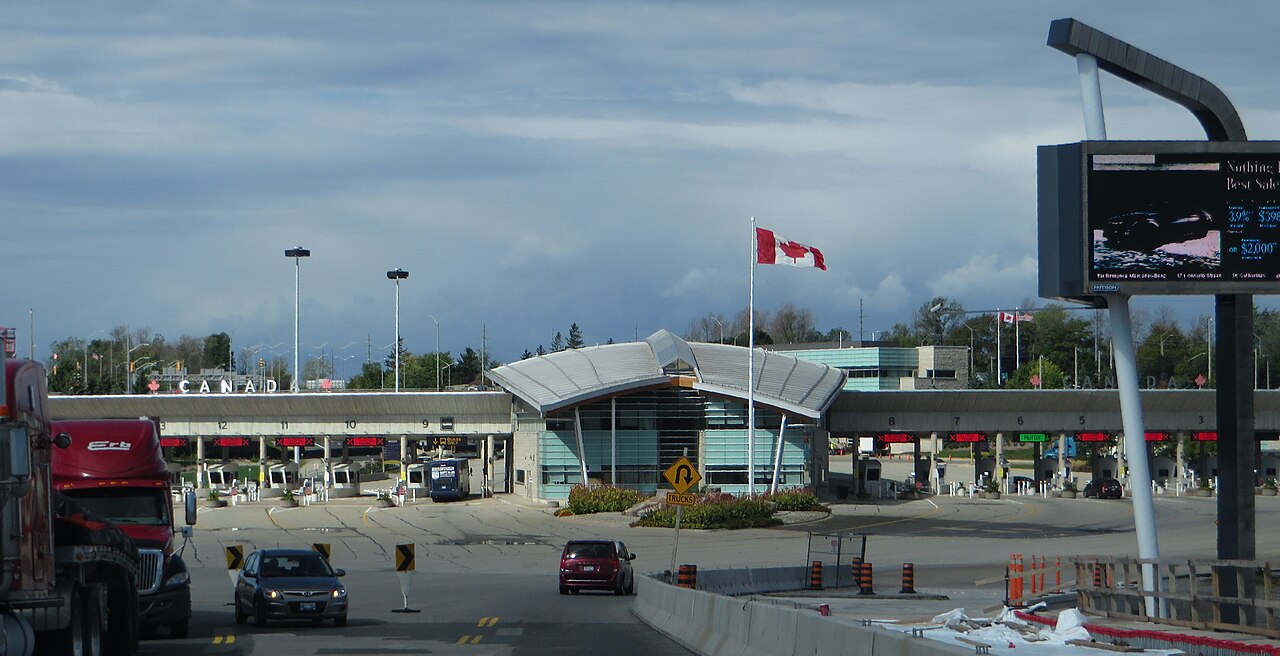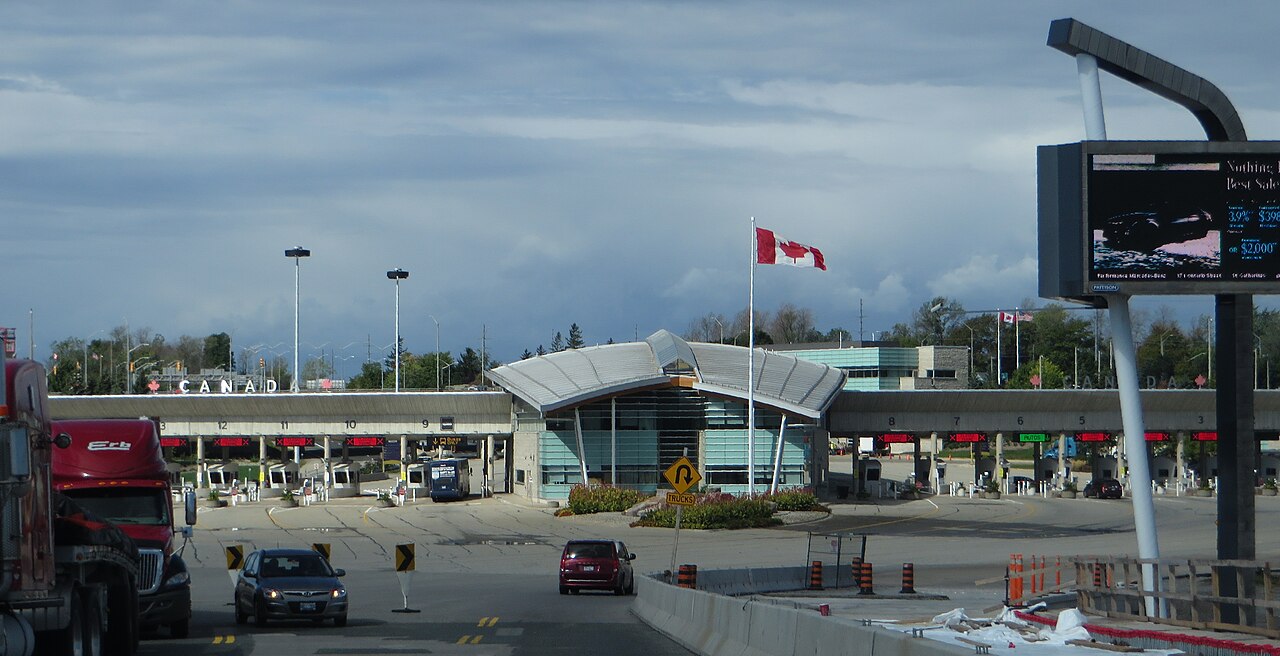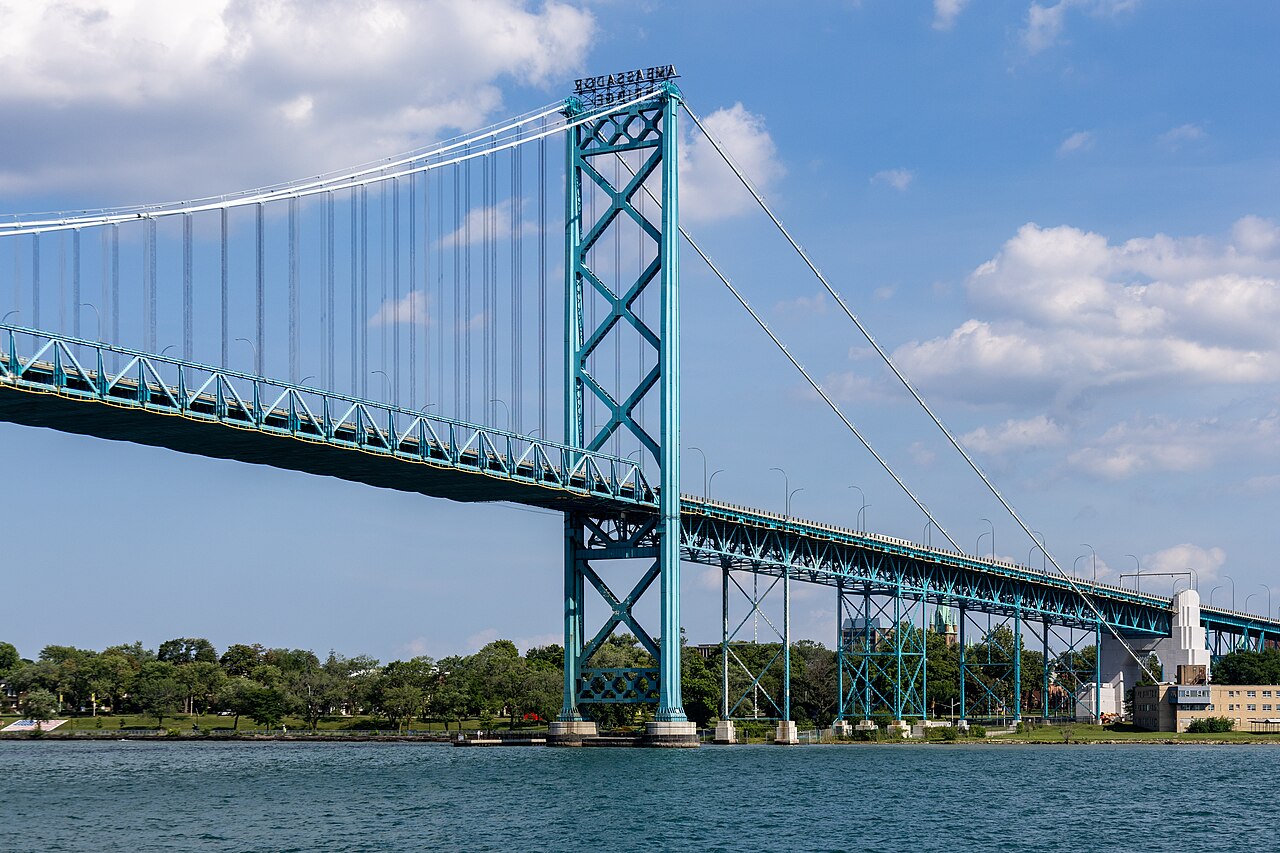
The car trade between Canada and the United States, one of the most tightly integrated in the world, is heading into the new year under the threat of a much higher tariff. Washington already levies a 25% duty on Canadian-built vehicles, and President Donald Trump has threatened to double it to 50% on 1 January in response to Canada’s retaliatory tariffs, according to The Hub.
Talks that might have eased the pressure have been frozen since late August. On 13 October, Conservative leader Pierre Poilievre crossed from Windsor into Detroit to meet representatives of General Motors, Ford and the International Brotherhood of Electrical Workers, and urged Prime Minister Mark Carney to restart negotiations.
How the talks broke down
Negotiations collapsed on 21 August. NBC News reported that 50% US duties then took effect on about $20bn of Canadian imports, using Section 338 of the Tariff Act of 1930, a provision never used before. Carney called the move a miscalculation, recalled his negotiators and announced matching counter-tariffs from 8 September on goods such as steel, appliances, farm equipment, pulp and paper, and electronics.
Autos were close to the centre of the deal that failed. Bloomberg had reported, according to NBC, that US negotiators were ready to cut tariffs on cars and metals from 25% to 15%. Carney said Washington wanted to limit relief to cars and leave out medium and heavy trucks, and also made late demands on Canada’s other trade deals and its cultural protections.
Detroit as a political stage
Poilievre blamed the dispute for falling output on both sides of the border, calling it “this ridiculous trade war that is only helping China”. Trump adviser Peter Navarro has warned that Canadian interference in the 3 November US midterm elections would carry consequences, a description Poilievre rejected. Michigan Republican Senate candidate Mike Rogers has said current tariff levels are too high.
A threat timed for 1 January gives both capitals a narrow window, and the US midterms sit squarely inside it.
The 50% figure remains a threat rather than a signed measure, and TradeWar could not confirm the date on which it was first made.
Update: a new tariff list and a court challenge
Added 25 October. On 23 October Trump signed an order that removes the 50% duty from some Canadian goods, including plywood, some paper products, certain machinery and seaweed, and applies it instead to items such as carpets, paints, chest freezers and canoes from 30 October. Public reporting on the order does not mention any change to the duty on Canadian vehicles, so the 1 January threat still stands.
Separately, on 20 October a New Jersey cheese importer, the Gellert Global Group, asked the US Court of International Trade to strike down the Section 338 tariffs, arguing that later trade laws have superseded the 1930 provision. The White House says it will defend them.
What to watch
- Whether Ottawa and Washington reopen talks after the 3 November midterms.
- How the trade court handles the challenge to the Section 338 tariffs.
- Any formal US proclamation raising the vehicle duty before 1 January.
- Production decisions by GM, Ford and parts makers with plants on both sides of the border.