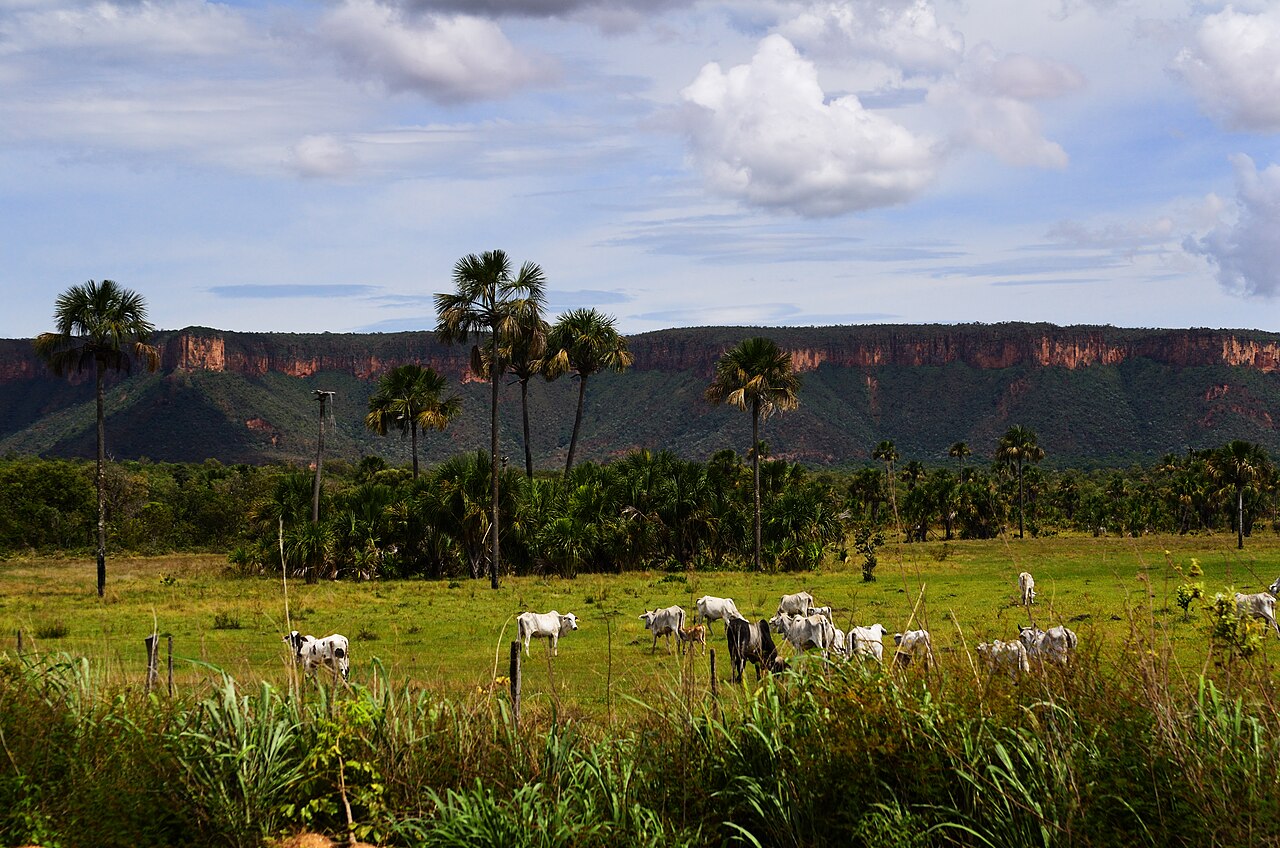
Brazilian beef shipped to China now faces an additional 55% tariff after Brazil exhausted its 2026 quota under Beijing’s beef safeguard. Chinese customs confirmed that all 1.106 million tonnes of Brazil’s allowance had been used, and the Ministry of Commerce announced the surcharge on 30 September. It took effect on Thursday, 1 October.
With the regular 12% import duty, above-quota Brazilian beef now pays 67% in total. In practice that closes Brazil’s largest export market for beef until the quota resets in January.
How the safeguard works
China introduced the measure at the start of 2026 after an investigation that began in December 2024, arguing that a glut of imports was hurting domestic cattle farmers. It runs for three years. Each supplier receives its own annual quota, and anything above it pays the 55% surcharge, which applies from the third day after a country hits its limit.
Brazil received the biggest allocation but also the deepest cut compared with recent trade. Its exporters’ association ABIEC estimates the 2026 quota covers about 65% of what Brazilian plants shipped to China in 2025, when China took 48% of Brazil’s beef exports. Australia reached its own limit in June.
Uruguay workaround rejected
President Luiz Inácio Lula da Silva said in late September that Uruguay had agreed to let Brazil use part of Uruguay’s quota. According to the South China Morning Post, China has not accepted that transfer for this year or next; the Ministry of Commerce has not commented publicly. Agriculture Minister André de Paula said the arrangement depends on Chinese approval.
Shipments ran high early in the year. Monthly volumes to China rose above 150,000 tonnes in May and June, then fell to about 16,000 tonnes in August as the quota ran low. Some meatpackers have reduced slaughter.
A quota built to protect Chinese ranchers has become a calendar that tells Brazilian exporters when to stop shipping.
What to watch
- Whether China extends or changes its quota system for 2027; a decision is expected before the end of the year.
- How fast Brazil’s slightly larger 2027 quota of 1.128 million tonnes is used up.
- Any Chinese approval of quota transfers between suppliers.