A year after Washington opened a national-security investigation into imported robots and machine tools, factories still do not know whether a dedicated tariff is coming. A review of law-firm trackers published by The Boston Report on 11 October found no announced tariff, quota or other action from the Section 232 probe, even though Covington & Burling had listed mid-September 2026 as the latest expected date for a decision.
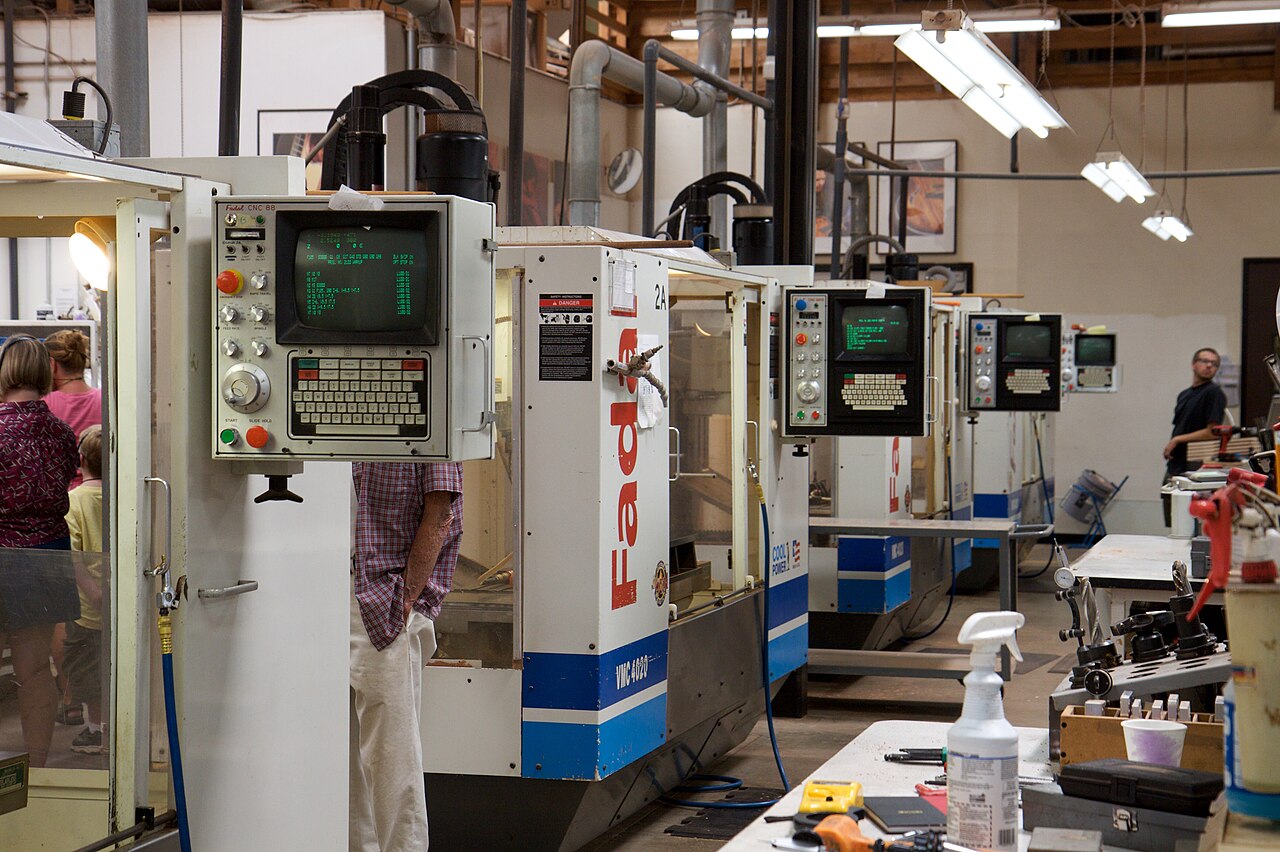
The investigation covers robots and programmable mechanical systems, computer numerical control (CNC) machines and other machine tools, and their parts. Covington noted that the President could also choose negotiations, further analysis or no action at all.
Duties by another route
Imported machinery is not duty-free in the meantime. Under the separate steel, aluminium and copper regime, Section 232 duties now apply to the full customs value of many metal-containing products. A proclamation signed on 1 June cut the rate on agricultural and certain industrial equipment from 25% to 15% from 8 June, with a new 10% rate for capital equipment made with at least 85% US metal by weight, according to customs broker Western Overseas. Those lower rates run until 31 December 2027.
The reshoring paradox
The stakes are high because automation underpins efforts to bring production home. US robot installations rose 12% in 2025 to almost 38,500 units, The Boston Report said, citing International Federation of Robotics data, while China accounted for 59% of global installations. Critics of the tariffs argue that duties on such equipment raise costs for the very manufacturers trying to expand at home. Bills in Congress that would create a national robotics commission and support domestic robot makers have not advanced.
A tariff meant to protect American machine-building could make it dearer to automate the factories it is meant to bring back.
What to watch
- Any proclamation imposing direct duties on robots or CNC machines, and which countries it exempts.
- Whether trade-deal partners get lower rates, as they did under the metals regime.
- The 2028 reversion of temporary machinery rates to 25% or more.