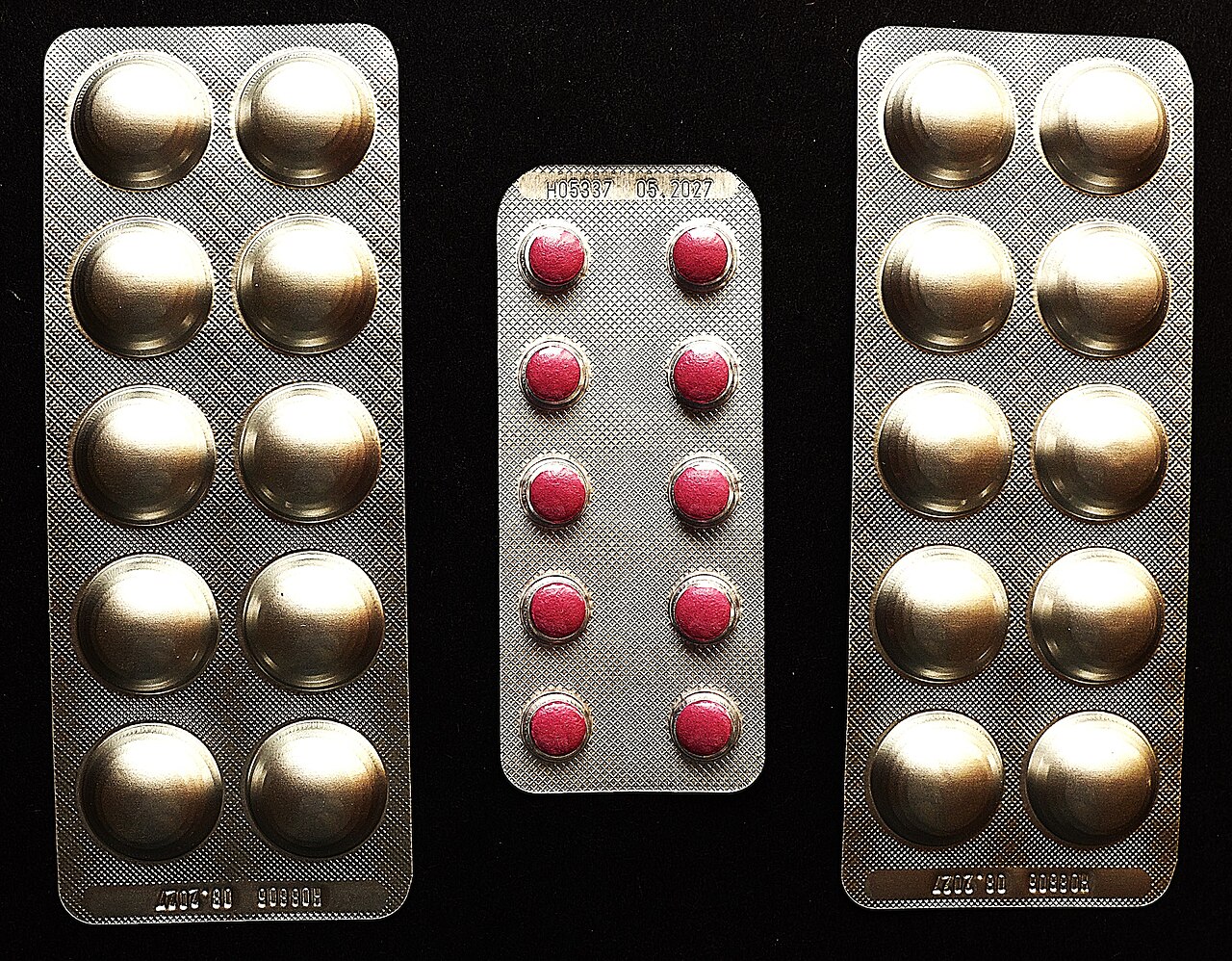
The United States has set out a timetable for tariffs on imported generic medicines that would hit India harder than any other supplier. In a social media post on 21 July, President Donald Trump said generics would face no tariff for two years, a 100% tariff for the following year and 200% after that, with the stated aim of bringing generic production back to American soil.
According to Business Today, the zero rate runs until 1 August 2028. The White House framed the delay as a transition window: manufacturers that build plants in the US during that time could escape the higher rates, although no formal order or detailed rules had been published.
India’s exposure
India is the largest single source of generic drugs for the US market. Industry estimates put its share of US-dispensed generics at 40–45%, while the US accounts for nearly a third of India’s pharmaceutical exports by value. Scroll put Indian drug exports to the US at $8.7bn in 2024, or 31% of the country’s total.
The Indian Pharmaceutical Alliance responded by saying it would keep engaging with the US administration, pointing out that leading Indian companies already operate more than 40 facilities in the US. Granules India said its three American sites gave it room to expand, but warned that sharply higher generic prices would hurt US patients, noting that generics fill about 90% of prescriptions but take only around 13% of drug spending.
A diplomatic question
Asked whether India’s foreign minister had raised the issue at a meeting in Manila, US Secretary of State Marco Rubio said it had not come up. “Obviously, I would expect them to be concerned about it,” he added, according to Scroll.
A two-year grace period turns a tariff threat into an investment ultimatum for India’s generics makers.
The generics plan sits alongside a separate Section 232 regime for patented medicines, which imposes tariffs of up to 100% on branded drugs and their ingredients. That regime took effect for 17 large manufacturers on 31 July and for other importers on 29 September, with lower rates for companies that agree onshoring plans or most-favoured-nation pricing.
What to watch
- Whether a formal proclamation follows, and whether it treats all generics alike or rewards companies with US plants.
- Whether New Delhi raises the plan in trade talks with Washington.
- Announcements of new US manufacturing investments by Indian drugmakers before August 2028.