Washington wants more time before deciding whether to switch its port charges on China-linked ships back on. The Office of the US Trade Representative has proposed keeping the fees suspended for roughly two more months, from 10 November 2026 to 9 January 2027, according to a notice reported by gCaptain on 23 October and due in the Federal Register on 26 October.
The fees grew out of a Section 301 investigation, opened under the Biden administration after a 2024 petition from the United Steelworkers and other unions, which concluded that Chinese state support for shipbuilding distorted competition. Collection started on 14 October 2025 but stopped on 10 November that year, when the charges were frozen for 12 months as part of the trade deal Donald Trump and Xi Jinping struck in South Korea. China paused its retaliatory fees on US-linked vessels at the same time.
A political promise, a legal deadline
The proposal catches the paperwork up with politics. Treasury Secretary Scott Bessent said on 23 September, as Xi arrived in Washington, that the broader truce would be extended to 10 January. Tech Times pointed out that, legally, only a new notice could move the 9 November expiry, and none had been published at the time. The proposed date in USTR’s notice is one day earlier than the date Bessent gave.
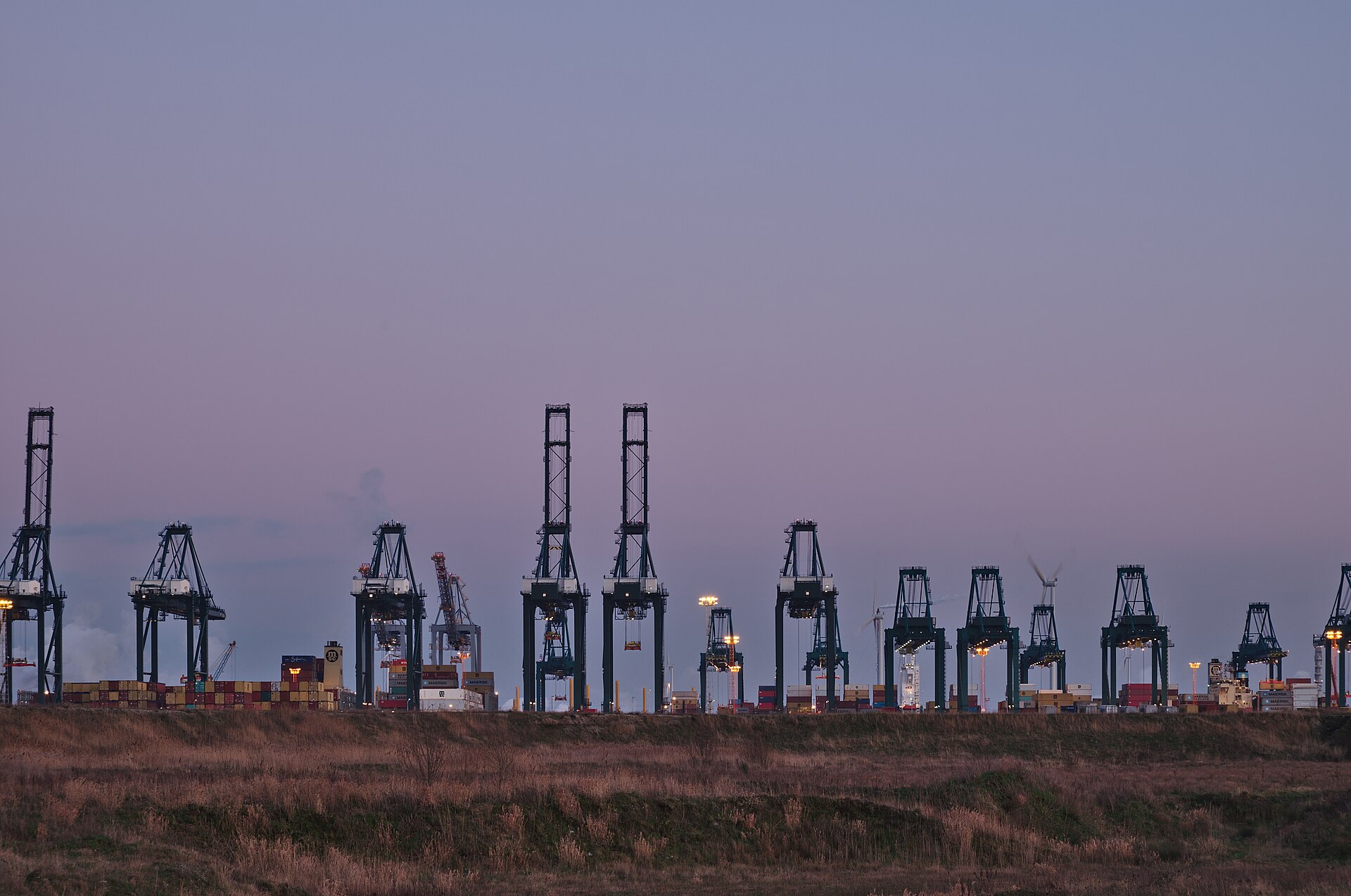
Under the extension, shipowners would also stay clear of the related duties on Chinese ship-to-shore cranes and cargo-handling equipment. USTR said it was still engaging Beijing with the aim of eliminating the practices at issue.
Who is pushing which way
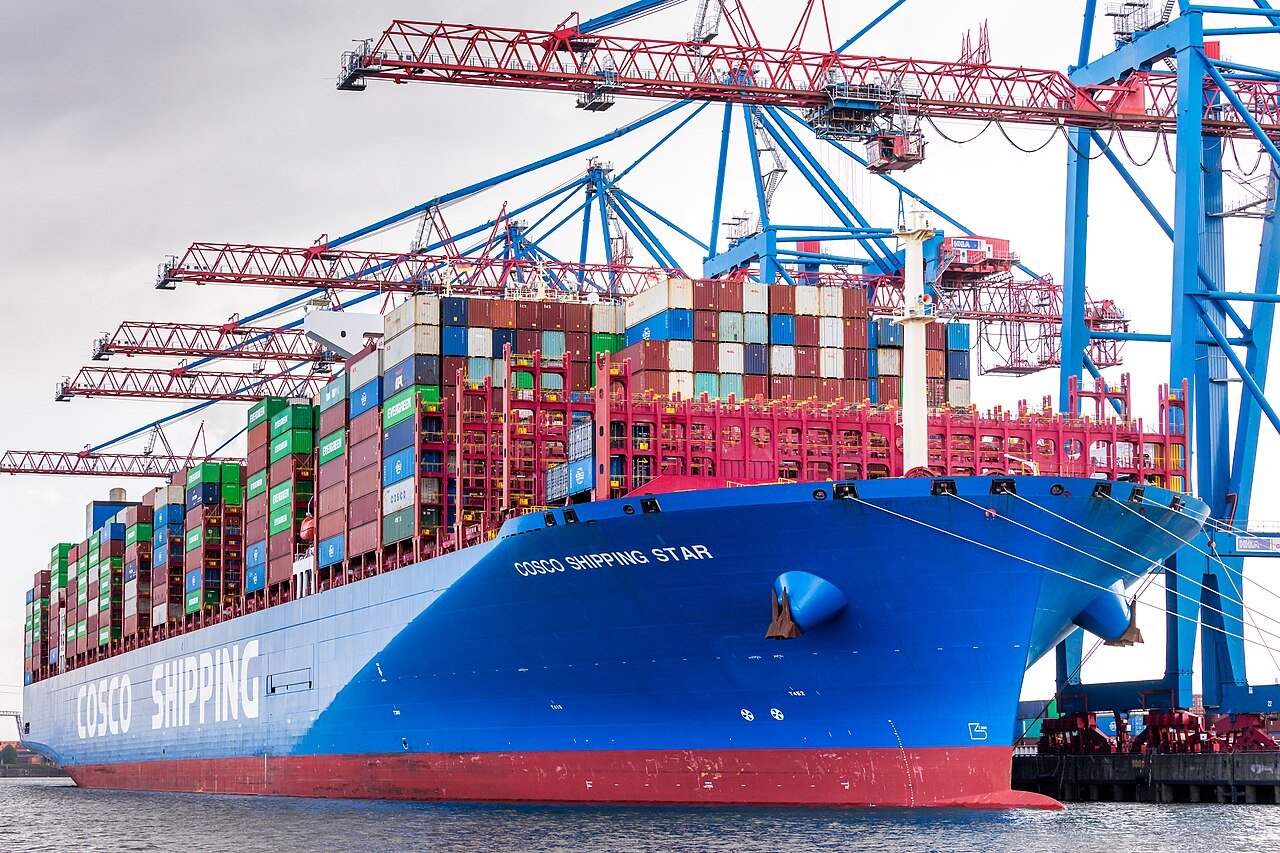
Carriers have welcomed the breathing space. Under the April 2025 schedule, Chinese-owned or -operated vessels would pay $50 per net ton per voyage, rising each year, and COSCO alone faced an estimated $1.5bn a year in US charges. Matson has reported paying $6.4m in Chinese counter-fees during the few weeks the measures were live. On the other side, maritime unions and Senators Mark Kelly and Elizabeth Warren have urged immediate reinstatement, arguing the fees are central to reviving US shipbuilding.
Short, rolling extensions keep the fees alive as a bargaining chip without letting them bite.
What to watch
- Whether USTR finalises the extension after comments close on 30 October.
- Whether China’s Ministry of Transport extends its own suspension of fees on US-linked vessels.
- Any wider deal before January that could make the pause permanent, or let it lapse.