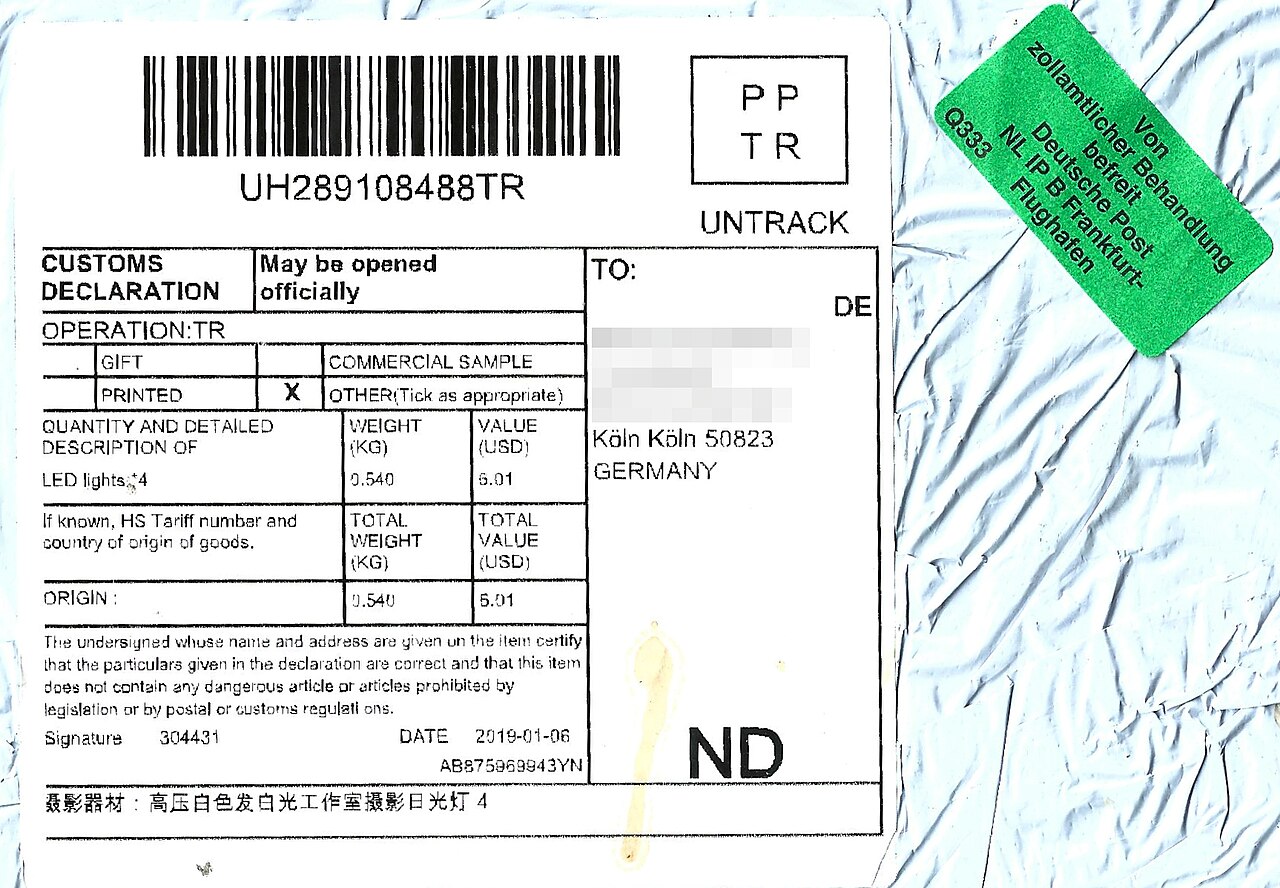
The European Union has stopped letting cheap parcels in duty-free. Since 1 July 2026, goods worth under €150 sent to EU shoppers from outside the bloc pay a flat €3 customs duty, ending an exemption that had applied since 2008. The measure targets the rapid growth of low-value e-commerce, most of it from Chinese platforms such as Shein, Temu and AliExpress.
EU governments agreed the charge in December 2025. Trade Commissioner Maroš Šefčovič presented it as a matter of fair competition at the border in the e-commerce era.
How the charge works
When member states agreed the fee, Euronews described it as a charge per parcel. As implemented, TechTimes reports, it applies per distinct item type, grouped by tariff code: five identical T-shirts incur one €3 charge, while a T-shirt and a watch in the same parcel incur two. The seller, importer or customs representative is formally liable, though the cost is expected to reach shoppers.
The scale is large. Nearly 5.9 billion low-value items entered the EU duty-free in 2025, about four times the 2022 level. The €3 duty is temporary and is due to run until 1 July 2028, when an EU customs data hub should allow normal tariffs to be charged. A separate handling fee is still under negotiation, and France already adds its own per-parcel fee.
Platforms adapt
The large platforms had prepared. Temu says it aims to fulfil 80% of European orders from inside the EU, and Shein has opened logistics sites in Poland and England. Amazon said nearly all of its EU shipments already come from warehouses in the bloc.
Early figures suggest a real effect. At the end of August, the French government said imports of small parcels from China into the EU had fallen by about 30–40% since the duty began.
Three euros is small per item; across billions of parcels, it changes where the warehouses are built.
What to watch
- Agreement on an EU-wide handling fee for small parcels.
- Whether platforms shift more stock into EU warehouses ahead of 2028.
- Any Chinese response to measures aimed at its e-commerce exporters.