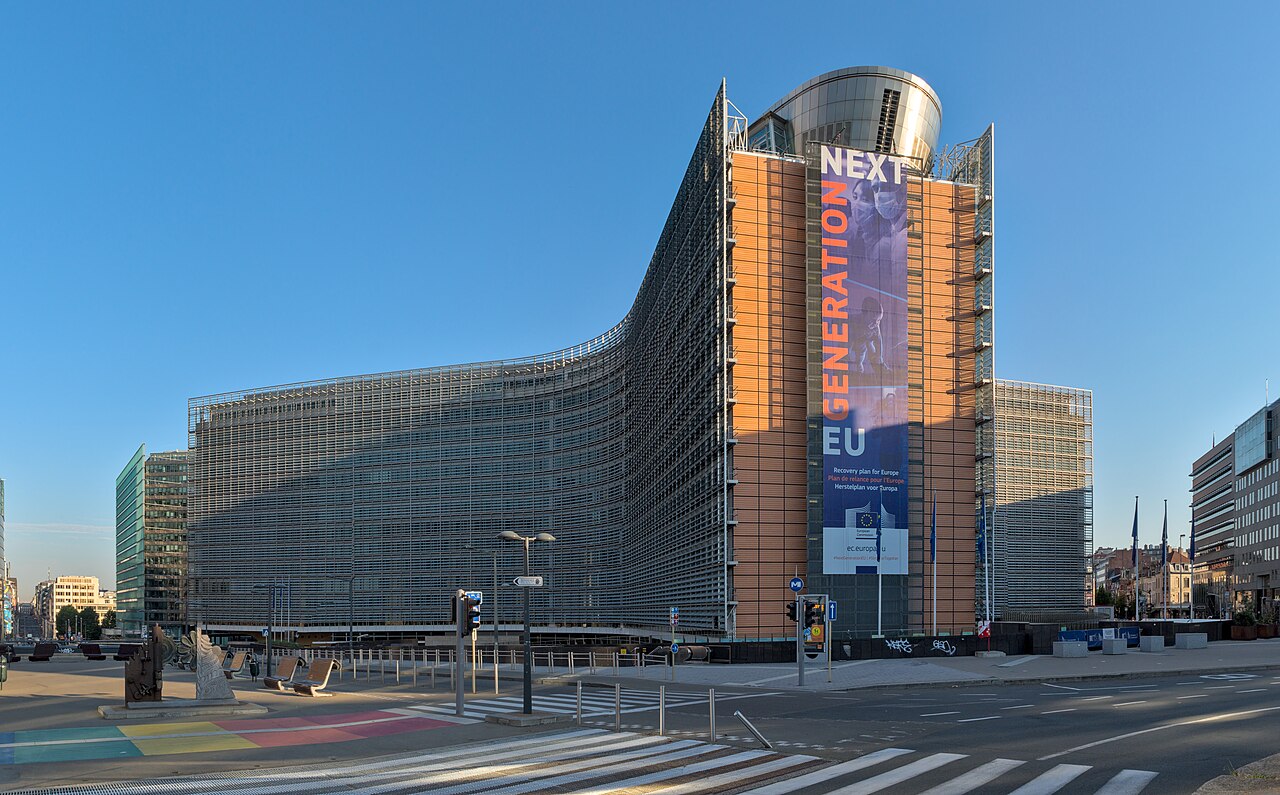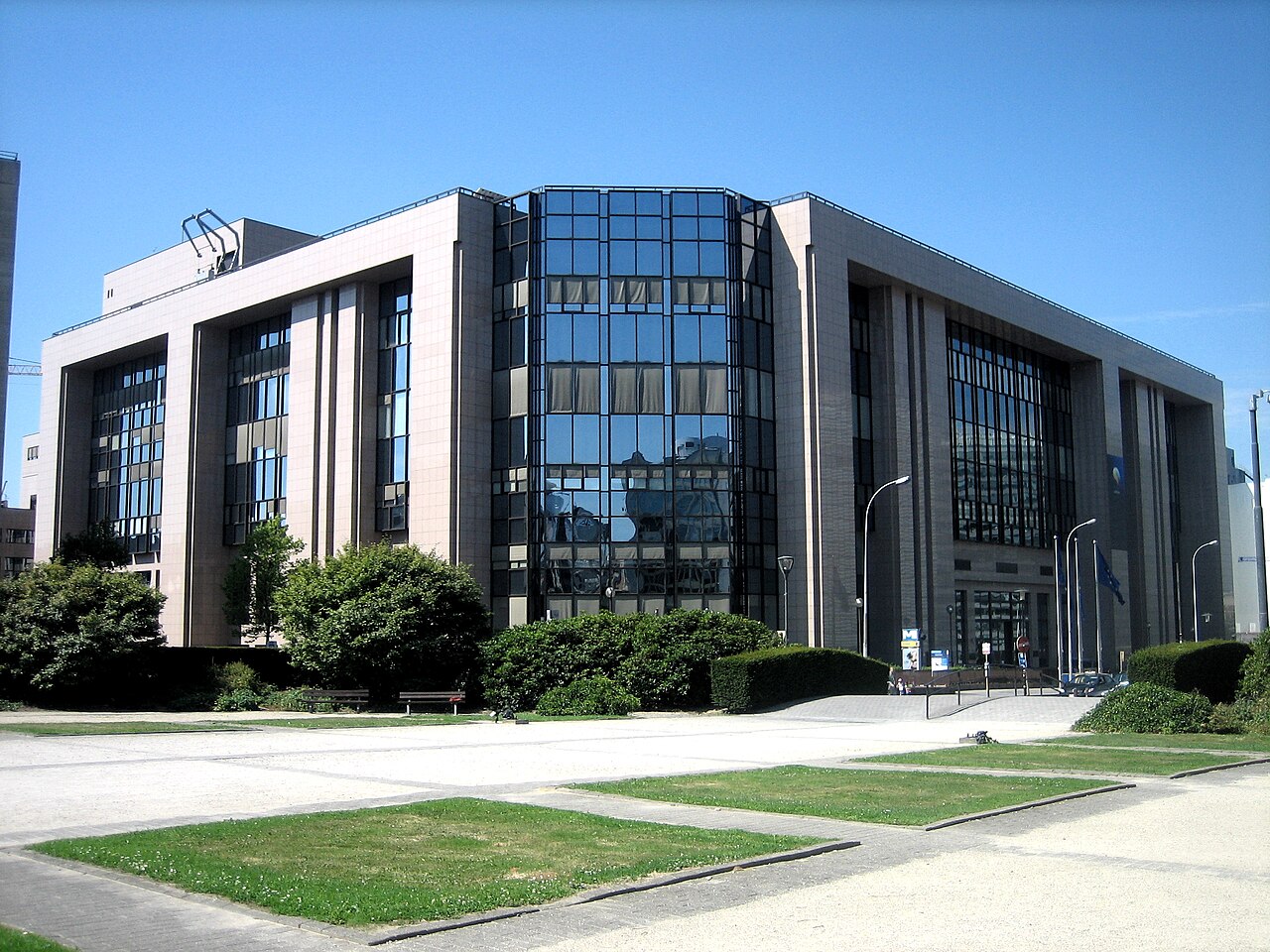
The European Union has blacklisted 1,569 companies and executives in Russia’s military industry, the largest single set of names it has added to its sanctions list since Russia’s full-scale invasion of Ukraine. EU foreign ministers approved the listings on 12 October 2026.
The list covers 826 Russian companies and 743 people who run them. According to the EU’s foreign service, the firms are mid-level suppliers at the core of Russia’s arms industry, with a combined annual turnover of at least €20bn and more than 250,000 employees. They make electronics, communication equipment, explosives and ammunition, optics and navigation systems used in missiles, drones and aircraft.
What the listings do
Listed companies and people have their assets in the EU frozen, and no one in the EU may make funds or economic resources available to them. The executives are also banned from entering the EU. With these additions, the EU’s list under its Ukraine sanctions regime holds close to 4,600 names.
EU foreign policy chief Kaja Kallas said more than half of the listings are linked to the production chain for ballistic missiles. She said the aim was to make it harder, slower and more expensive for Russia to build the weapons it uses against Ukraine.
Listing suppliers by the hundred hits the arms industry’s supply chain, but it is not the trade or energy step that a new package would be.
Not the 22nd package
Several outlets described the move as the EU’s 22nd sanctions package. The EU’s own announcement calls it a package of listings, and it adds no new trade, finance or energy restrictions. McCann FitzGerald, a law firm, reported on 30 October that the European Commission was still working on a 22nd package, with proposals touching the shadow fleet, banking and energy.
What to watch
- When the Commission formally proposes the 22nd package and whether all member states back it.
- Whether the new package targets Russian oil, banks or third-country suppliers.
- How Russia’s arms makers replace components from listed suppliers.