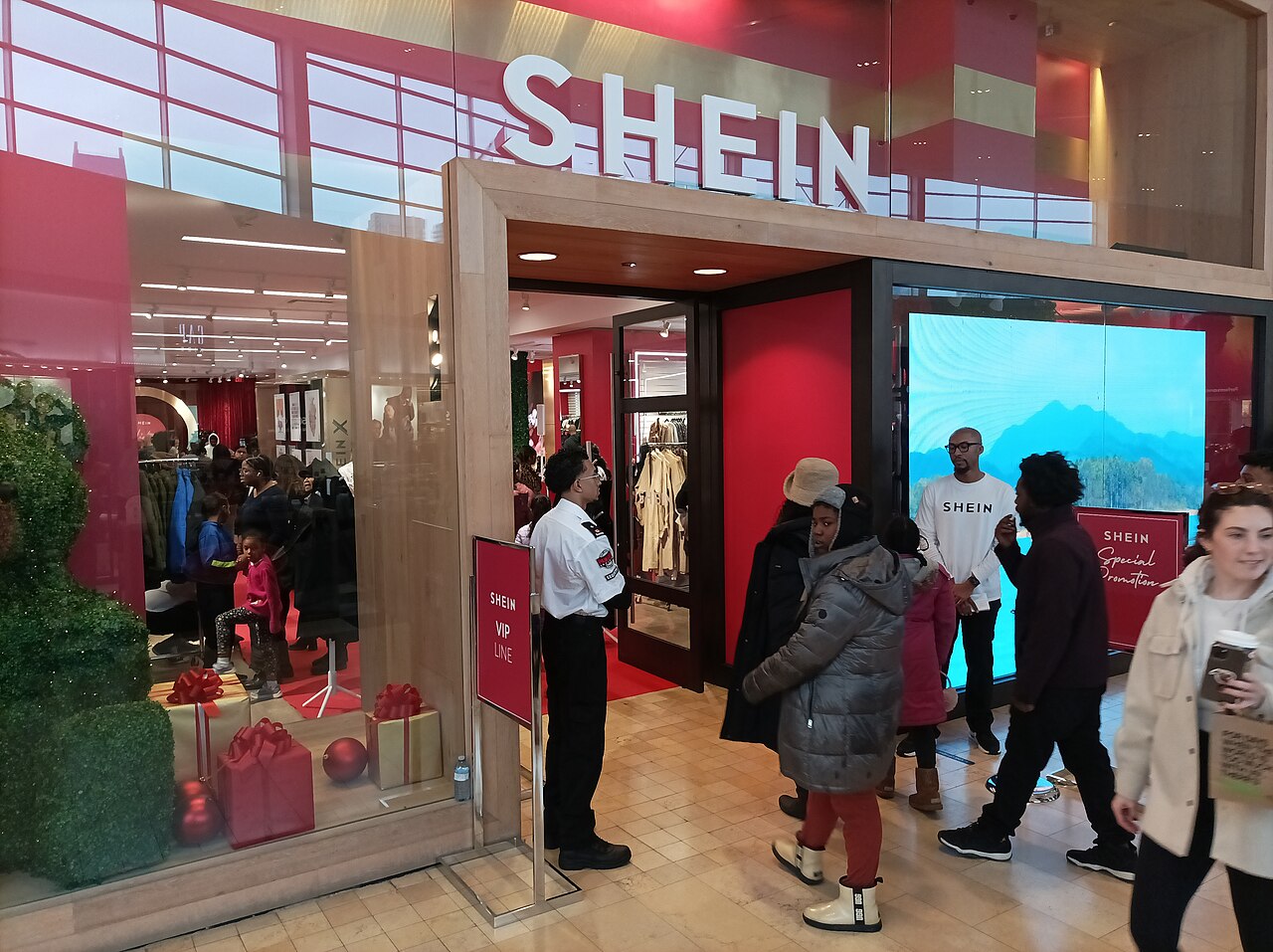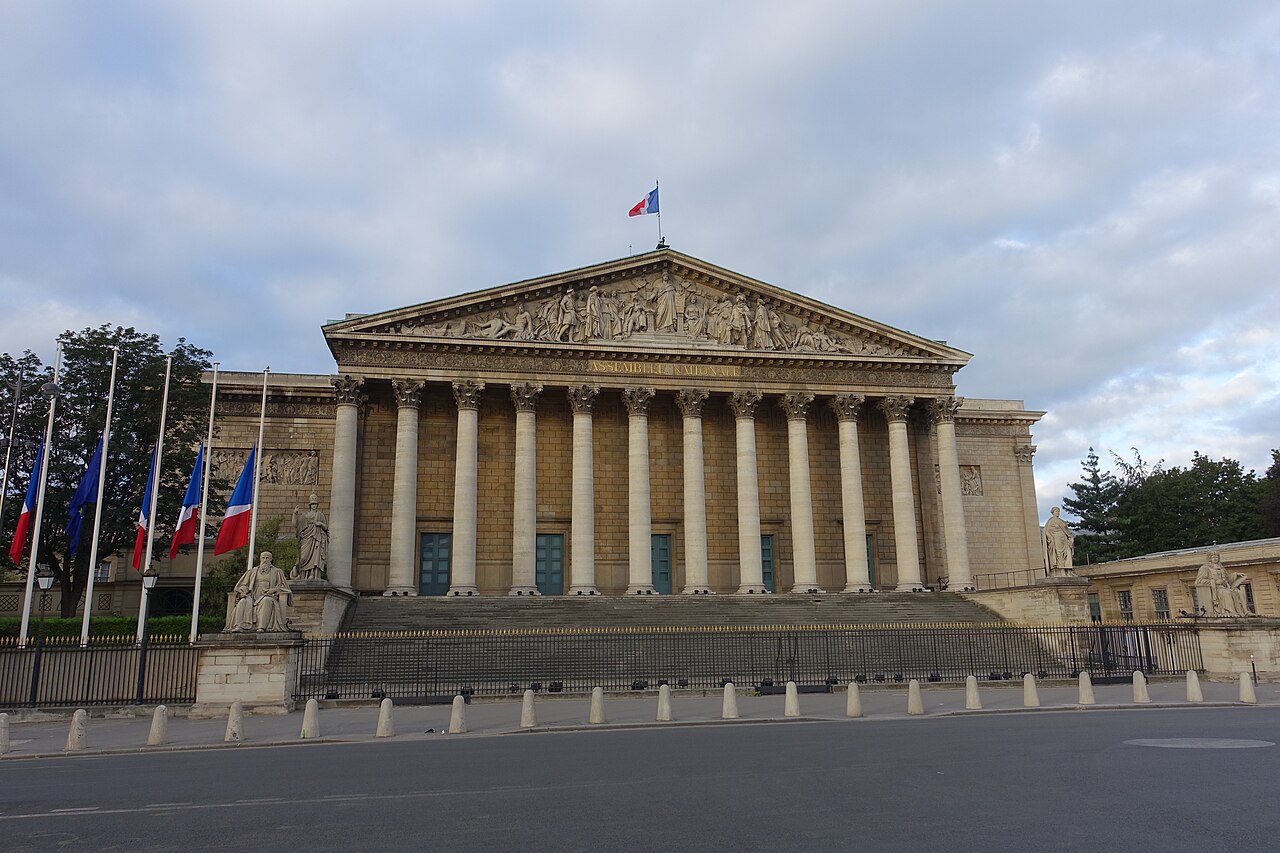
France has begun charging an environmental penalty on clothing sold by ultra-fast fashion businesses, a measure its government openly links to Shein, Temu and AliExpress. The fee took effect on 1 September, after parliament definitively adopted the anti-fast-fashion law in June following more than two years of debate.
The law does not name any company. But French officials have repeatedly identified the three Asian platforms as the drivers of ultra-fast fashion, and European chains such as Zara and H&M fall outside it, which has drawn criticism that the rules spare domestic and European rivals.
How much it costs
Each item is scored on two factors: how much clothing the seller puts on the market and the cost of repair relative to the purchase price. France 24 gives 2026 examples of about €0.50 for underwear, €2 for a T-shirt, €9 for jeans and €12 for a jacket, rising to a maximum of €19.50 per item by 2030. The fee cannot exceed half of a product’s pre-tax price.
Reporting differs on the scale. Retail Gazette, writing when the bill passed in June, gave a range of €0.25 to €6 per product in 2026, rising to up to €10 by 2030. TradeWar has not been able to confirm which schedule applies. The law also bars ultra-fast fashion businesses from advertising, including through influencers.
Pushback from Brussels and Beijing
The European Commission raised questions about whether the law complies with EU rules; the office of ecological transition minister Mathieu Lefèvre said those concerns had been dispelled. China warned in July of possible retaliation and called the regulation discriminatory. Shein had earlier said some measures appeared inconsistent with EU rules on digital services and e-commerce. It declined to comment when the fee started.
France has written a law about garments that reads, in practice, like a trade measure about platforms.
What to watch
- Publication of an official penalty schedule that settles the conflicting figures.
- Any formal Chinese retaliation or EU legal challenge.
- Enforcement of the advertising and influencer ban.