Egypt has defeated one of the largest investment claims ever brought against it, a demand for more than $34 billion by a group of Saudi real estate investors. A tribunal administered by the Permanent Court of Arbitration in The Hague ruled on 22 September 2026 that it had no jurisdiction to hear the case, according to Egypt’s State Lawsuits Authority as reported by Al Mal News.
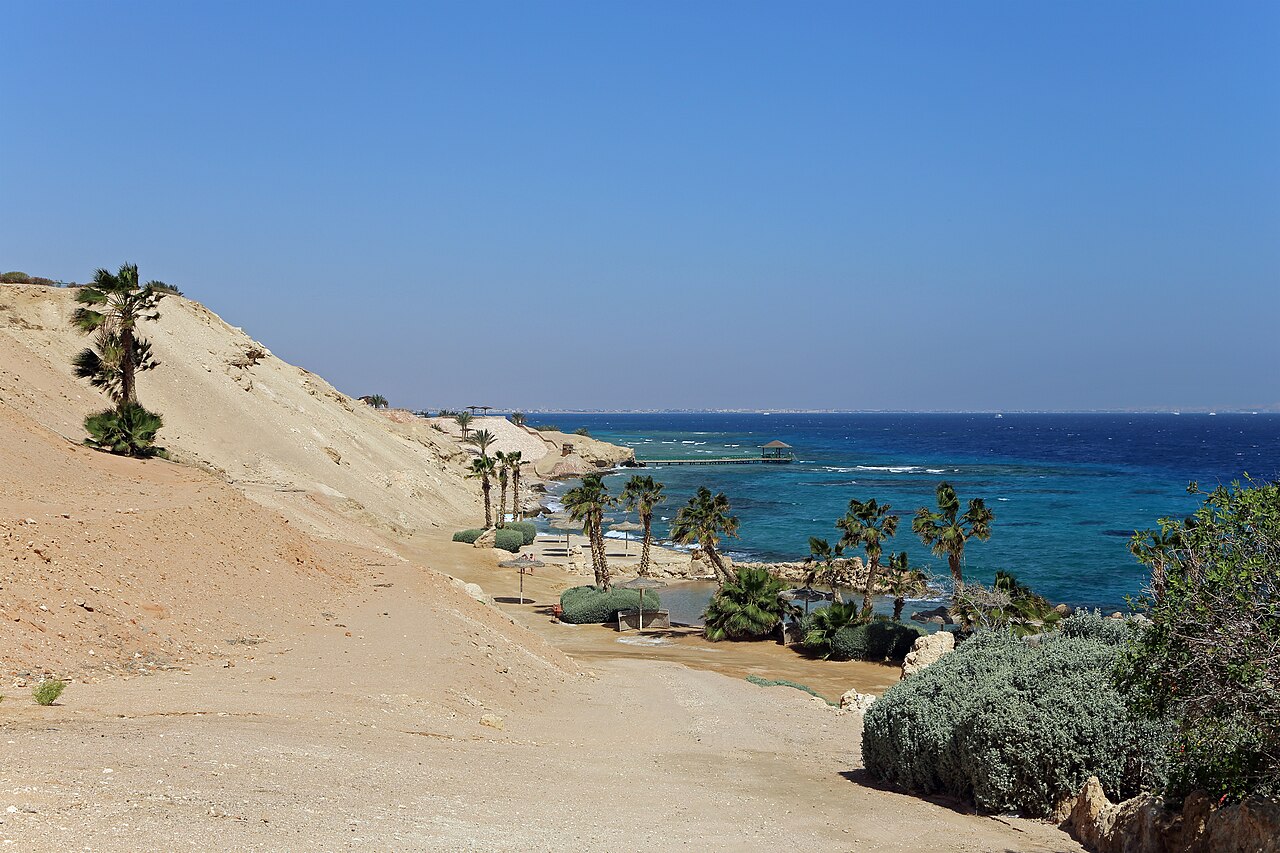
The investors argued that Egyptian government measures had damaged their investments in a series of development projects in the country. Global Arbitration Review, which reported the decision on 24 September, notes that the investors’ coastal developments remain largely unbuilt. Neither source TradeWar reviewed names the claimants.
Why the claim failed
The investors relied on the 1986 investment agreement among member states of the Organisation of Islamic Cooperation (OIC). The case turned on consent: to bring Egypt to arbitration, the claimants sought to use the treaty’s most-favoured-nation clause to borrow Egypt’s consent to arbitrate from another treaty. A divided tribunal rejected that argument, GAR reports.
The tribunal dismissed all the investors’ claims and ordered them to bear the full cost of the arbitration plus Egypt’s legal representation costs, the State Lawsuits Authority said. Its head, Judge Abdel Nasser Abu El-Ezz, said the result spared the public treasury claims of more than $34 billion. The authority’s external disputes department worked on the case for over three years alongside an international law firm.
The ruling narrows a route that investors from OIC states have tried to use to reach arbitration where a treaty’s own consent is unclear.
A long-running dispute
The case appears to have been running for years. In 2023 GAR reported that an UNCITRAL tribunal had dismissed $30 billion of claims by Saudi real estate investors against Egypt over land plots including on the Red Sea coast, leaving $22 billion under consideration. TradeWar could not confirm from available sources whether that case and the September 2026 ruling concern the same proceedings, and the reported amounts differ.
What to watch
- Whether the investors seek to set aside the award at the seat of arbitration.
- Publication of the award and the dissenting opinion, which would name the parties and projects.
- Whether other OIC-treaty claimants rethink reliance on most-favoured-nation clauses.