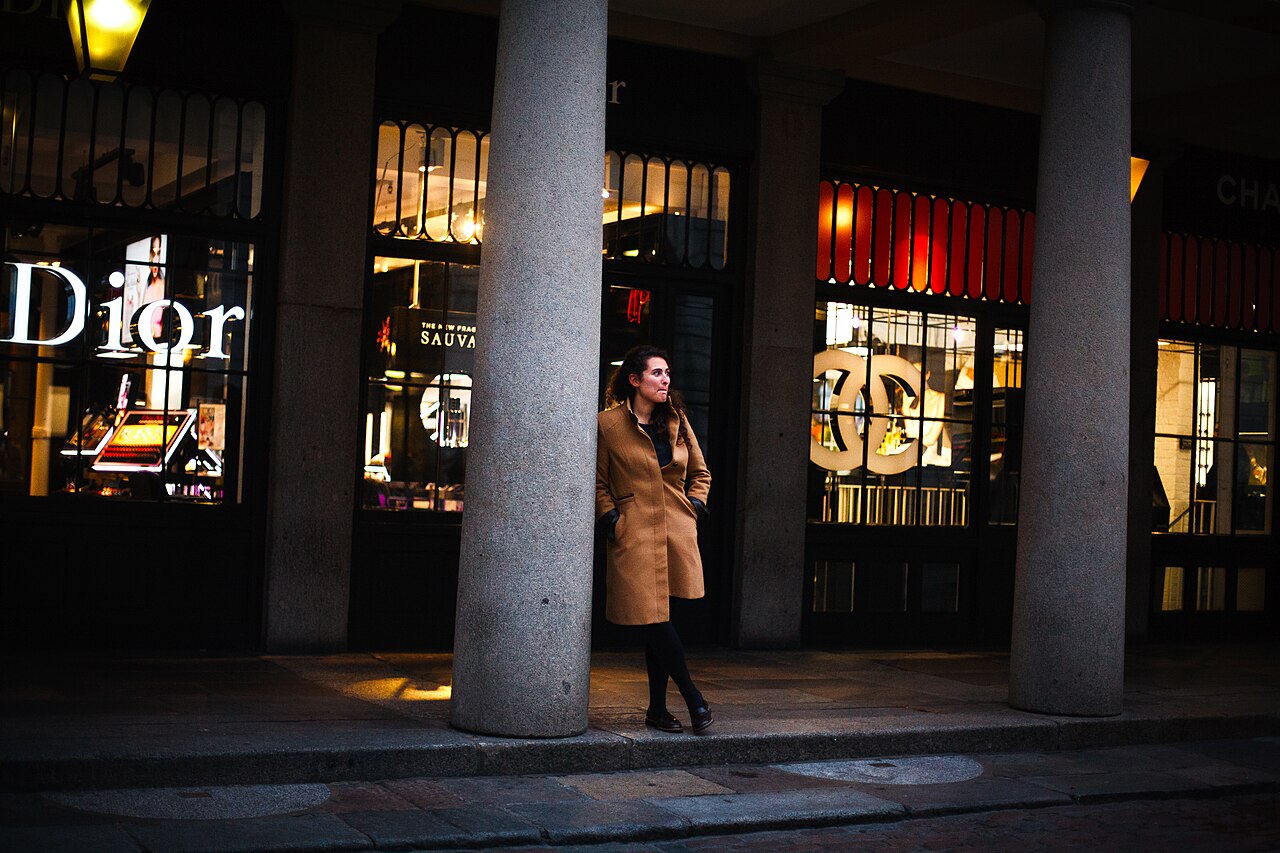
A British content creator has been ordered to pay £213,000 to luxury group LVMH and four of its fashion houses for selling counterfeit designer goods to her online followers. The UK High Court ruled against Georgia Aldridge and her company, Rolo Fashion Ltd, in a damages judgment reported in mid-July.
The claimants were LVMH together with Dior, Fendi, Celine and Loewe. A default judgment in January 2025 had already found that Aldridge infringed their trademarks, so this ruling dealt only with how much she must pay.
A side business in lookalikes
According to the court’s findings as reported, Aldridge bought items that looked like branded luxury goods on the Chinese marketplace AliExpress and resold them through dedicated Instagram pages and a WhatsApp group.
How the court counted the damage
The judgment drew a line between higher-quality copies, sometimes called superfakes, and cheaper knockoffs. For the first, the brands received lost-profit damages on the basis that some sales replaced genuine purchases; for the second, damages were based on a reasonable licence fee. The court also said Aldridge’s inadequate disclosure of her sales worked in the brands’ favour when estimating lost profits.
The brands did not win everything. The judge rejected their claim for reputational damage, and did not accept that customers believed they were buying genuine products, pointing to the low prices and to messages suggesting buyers knew.
The ruling treats the “dupe” buyer as someone who knows exactly what they are getting, and prices the harm accordingly.
What to watch
- Whether luxury groups bring more cases against individual resellers on social media.
- How UK courts apply the split between superfakes and cheap copies in future damages claims.