A US Senate bill designed to keep Chinese-linked cars off American roads has turned into a problem for one of Germany’s best-known carmakers. The bill would bar companies with more than 15% Chinese ownership from selling vehicles in the US, and Mercedes-Benz sits above that line because of two passive Chinese shareholders.
State-owned BAIC holds 9.98% of Mercedes and Geely founder Li Shufu holds about 9.7%, according to American Bazaar and Carscoops. Republican senator Bernie Moreno, who wrote the bill with Democrat Elissa Slotkin, now says Mercedes will not be shut out, but the cap itself has not been rewritten.
From committee to stalemate
The Senate Commerce Committee advanced the bill on 22 July. Its chairman, Ted Cruz, said at the time that lawmakers had no intention of banning Mercedes and that the text would have to change before becoming law. He also accused General Motors of backing the threshold to weaken Mercedes and help Cadillac. GM and the United Auto Workers support the bill. Reports differ on its title: American Bazaar calls it the Motor Vehicle Modernization Act of 2026, while other coverage uses the name Connected Vehicle Security Act.
Moreno has said Mercedes would have until 2030 to comply and could apply for a waiver. Speaking in late September, he questioned whether the company could get under 15% without serious damage to its business, Carscoops reported. Senator Rand Paul was the first to warn that the bill could ban Mercedes, according to The Washington Post as cited by Carscoops.
Other brands in scope
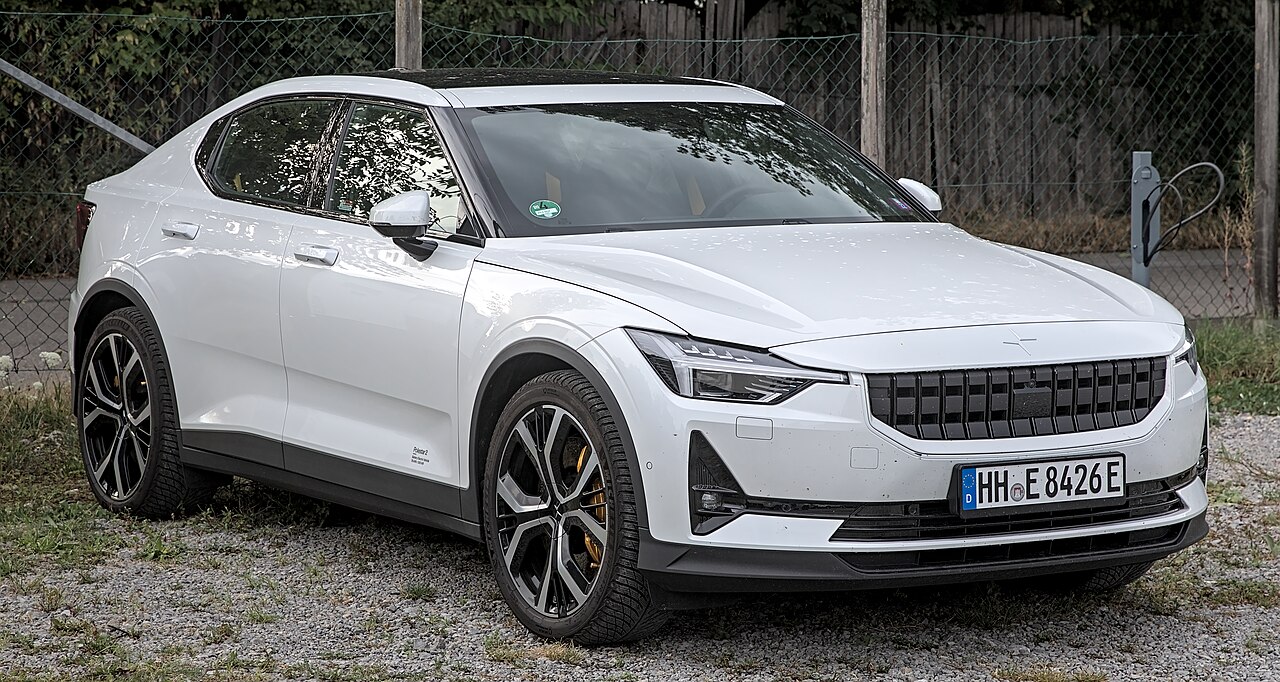
Mercedes employs more than 11,000 people in the US. Geely’s 17% stake in Aston Martin also exceeds the cap, and Moreno has said lawmakers must find a way for Geely-owned Volvo Cars to keep selling. Geely’s Polestar has already lost access to the US market under a separate Commerce Department connected-vehicle rule.
The fight shows how a blunt ownership test aimed at China can land hardest on a German company with an Alabama factory.
Mercedes says it supports national-security rules but wants to make sure its US operations are not affected.
What to watch
- Whether the 15% threshold is raised or an exemption for passive shareholders is added.
- The bill’s timing once the Senate returns after the November midterms.