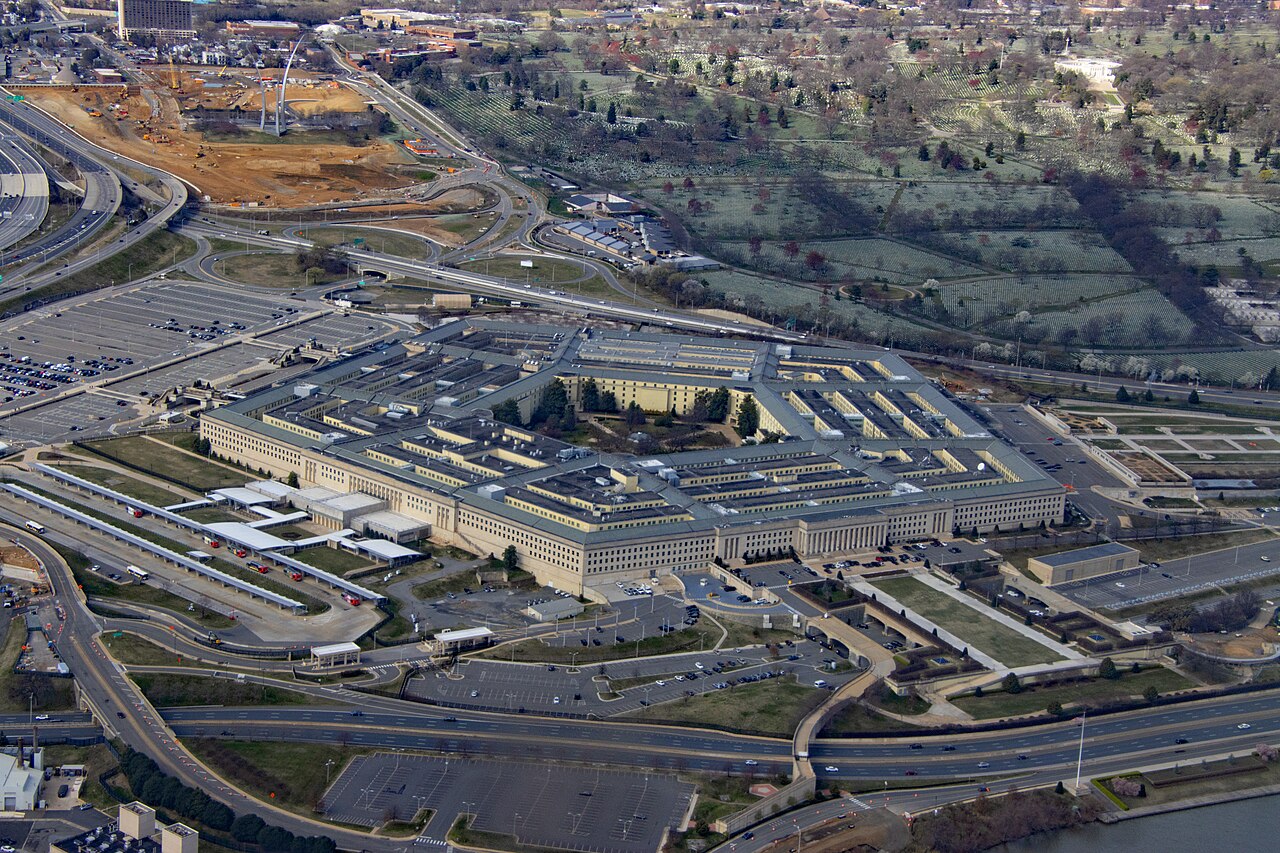
The US Defense Department says every one of the 30 universities it targeted in a summer crackdown on academic ties with China has ended or dealt with the partnerships it flagged. Emil Michael, the under secretary for research and engineering, announced in a statement this week that the department had gone “30-for-30”, citing more than 80 actions by the schools.
The review began on 19 August, when the Pentagon told the universities to audit their links with Chinese universities and military training institutions and to end problematic arrangements within two weeks or put their federal research funding at risk. The department’s release did not name the schools; a US official speaking anonymously to the Associated Press said they included Harvard, MIT and Johns Hopkins.
The list behind the order
The audit relied mainly on the Section 1286 list created by the fiscal 2019 defence authorisation law, which names about 130 foreign entities the Pentagon associates with risks of research misappropriation. Most are Chinese, but Russian and Iranian bodies are included, and the list was updated in July.
University Herald, drawing on documents and replies from 17 universities, reported that six intended to keep at least some flagged relationships. Several of the links involved student exchanges, study-abroad programmes or non-research teaching rather than sensitive science. Drake University in Iowa defended its joint undergraduate programme with Qingdao University, which enrols nearly 500 students, while Virginia Tech brought forward the end of a programme with Xidian University.
Research-security lists written for weapons labs are now reshaping undergraduate exchanges and study-abroad offices.
Beijing objects
A Chinese embassy spokesperson said in August that Beijing opposes what it called the politicisation of normal scientific and academic exchanges. The audit is part of a wider push by the Trump administration on Chinese activity in the US, and the Associated Press reported that the Justice Department is examining whether Harvard allowed Chinese donors to fund scholarships that excluded American students.
What to watch
- Whether the Pentagon accepts the six universities’ decisions to keep some programmes.
- Further additions to the Section 1286 list and their knock-on effect on exchanges.
- Any formal response from Chinese partner universities or the Chinese government.