The Trump administration has opened investigations into nine leading US universities over their use of J-1 exchange visas, a route colleges use to bring in foreign students, lecturers and researchers. Vice President JD Vance named the schools on 8 October, and the Labor Department’s inspector general, Anthony D’Esposito, said subpoenas had already been served.
The institutions are Harvard, Yale, Stanford, Arizona State, Brown, the University of Pittsburgh, Caltech, MIT and UC Davis. Vance argued that 61% of researchers on federally funded programmes at the nine were J-1 holders, against a 38% national average, and that American researchers earn about $20,000 more than their J-1 counterparts, suggesting the visa is being used to hire cheaper labour.
Universities push back
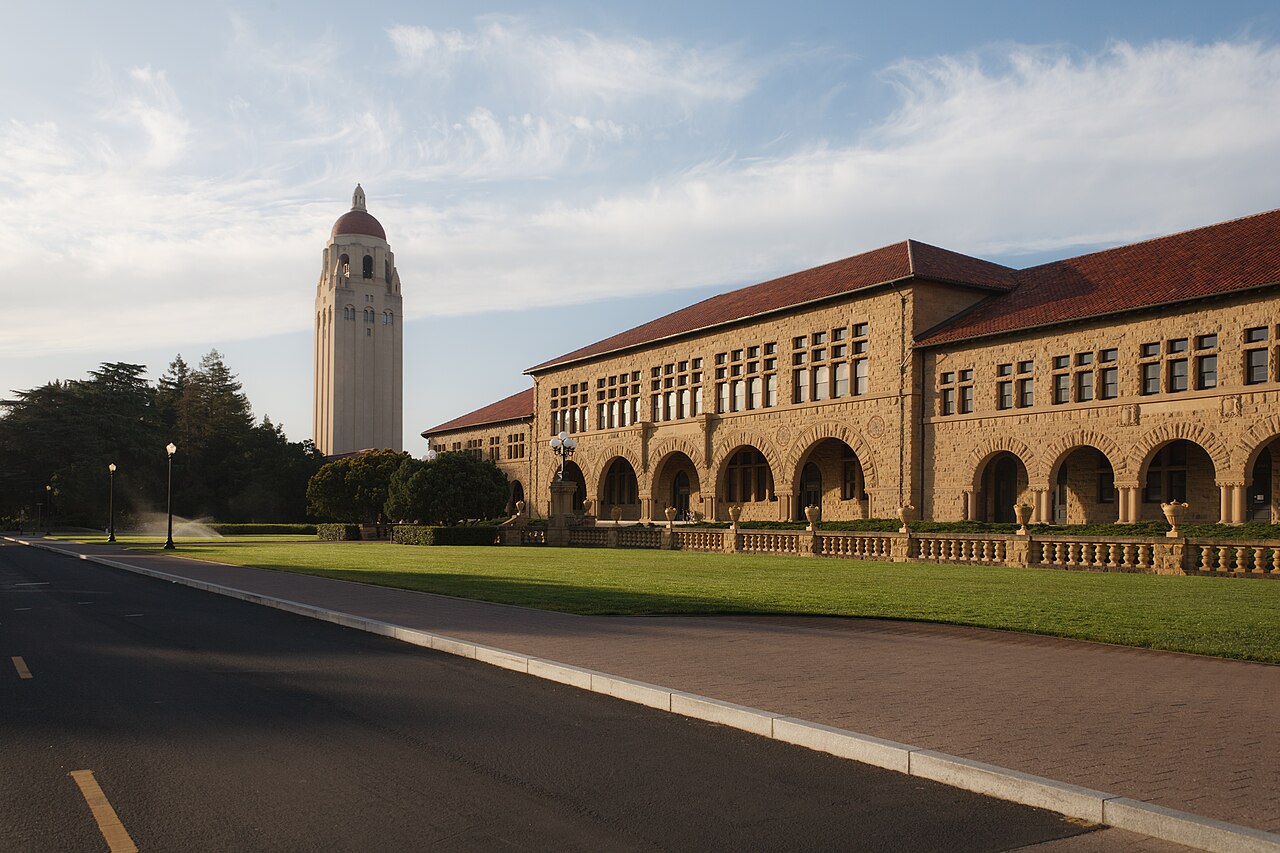
Stanford said it complies with all applicable visa laws and will cooperate, and Yale and UC Davis issued similar statements. Arizona State said it follows existing policy and law. Brown, Harvard and MIT confirmed receiving subpoenas; MIT described its subpoena as very broad and said each of its J-1 holders had been vetted and authorised by the federal government, Higher Ed Dive reported.
An analysis by The Stanford Daily questions the numbers. It found the 61% figure matches federal data on foreign postdocs at the nine schools, but the national comparison does not: in fall 2024, 60.7% of their postdocs held temporary visas against 57.7% elsewhere. A 2024 study it cited found J-1 postdocs earn about 8.8% less, roughly $6,500, than US-trained citizens. Stanford sets a minimum postdoc salary of $79,056 whatever the visa status. The White House, Vance’s office and the inspector general did not explain the source of their figures, the paper said.
Using labour-law subpoenas against exchange visas moves the fight over foreign talent from immigration offices to campus payrolls.
Part of a wider squeeze
The probe follows other moves on foreign students and staff. Homeland Security has appealed a court ruling that paused a four-year cap on F-1 and J-1 stays, issued guidance limiting training programmes for international students, and proposed fees of up to $100,000 per student in the Optional Practical Training scheme.
What to watch
- What the subpoenas demand and whether any university contests them in court.
- Whether the administration publishes the data behind its 61%, 38% and $20,000 figures.
- Any new limits on J-1 sponsorship by universities.