A Turkish construction company has won more than $300 million in damages from Ethiopia’s state railway operator, closing a chapter in a dispute over a line left unfinished during the country’s northern civil war. Global Arbitration Review reported the award, made under the rules of the London Court of International Arbitration (LCIA), on 7 October 2026.
GAR’s published summary does not name the contractor, but the case is tagged to Yapı Merkezi and the Ethiopian Railway Corporation (ERC). Ethiopian weekly The Reporter identified the two as the parties to a London arbitration over the Awash–Woldiya–Hara Gebeya railway in December 2024. TradeWar has not been able to confirm the full terms of the award.
How the dispute began
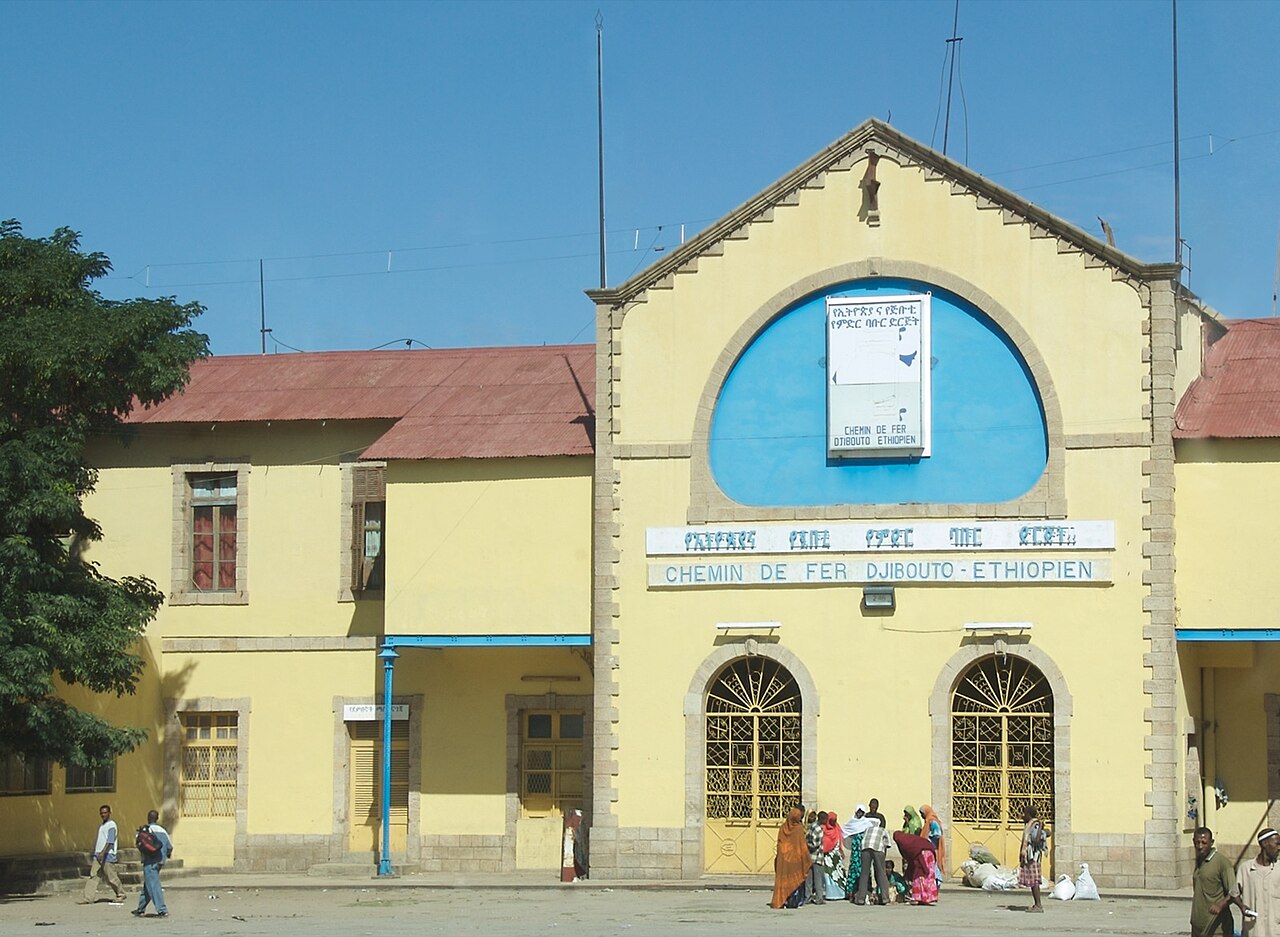
The railway, launched in 2015 and financed with $1.7 billion from Turkey’s state export bank according to The Reporter, runs through Ethiopia’s north. Yapı Merkezi was the builder, with French firm Systra as consultant. When war broke out in late 2020 and fighting moved close to the sites, the contractor stopped work, citing safety. It said parts of the infrastructure were damaged and equipment looted.
According to The Reporter, Yapı Merkezi first sought nearly $1 billion. The ERC answered with a $1.6 billion counterclaim, arguing that the contractor had abandoned the project. In late 2024 an ERC executive said the corporation had assembled “seasoned international lawyers and engineers” and expected a decision within weeks. The award was only reported in October 2026, and its date has not been disclosed.
The award tests whether wartime abandonment is treated as a contractor’s default or as a risk the state must carry.
A heavily indebted counterparty
The ruling lands on a state company already in financial difficulty. The Reporter said the ERC recorded losses of 264 billion birr after Ethiopia liberalised its foreign-exchange market, since its projects were funded with foreign-currency loans, and that 97 billion birr of its bad debt was being absorbed by a government bond programme.
What to watch
- Whether the ERC challenges the award in the English courts or negotiates payment.
- What happened to the ERC’s $1.6 billion counterclaim, which GAR’s summary does not address.
- Whether work on the unfinished line resumes, and with which contractor.