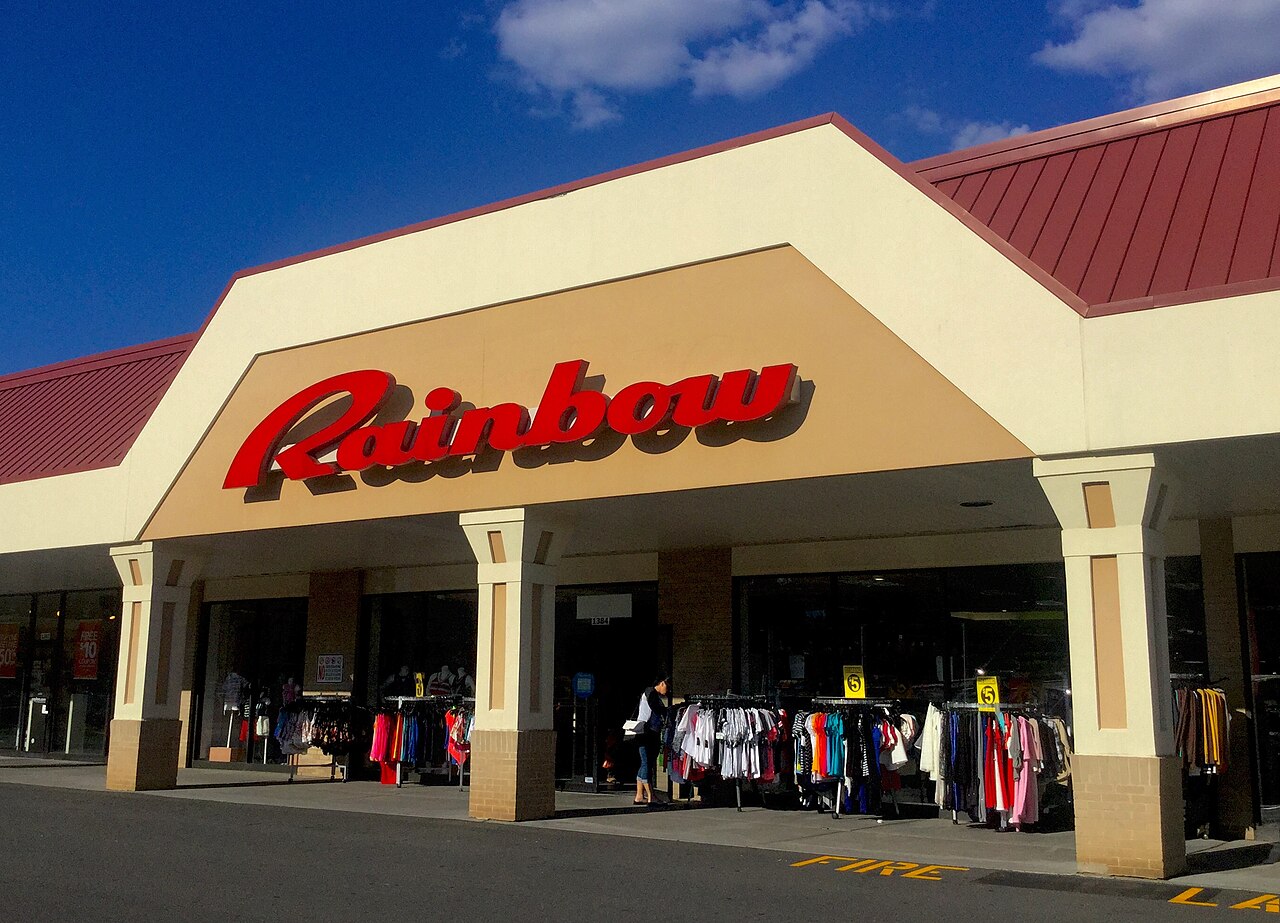
A New York model has taken budget fashion chain Rainbow Shops to court, accusing it of using artificial intelligence to keep putting her face in its advertising after her contract ran out. Francheska Pujols, a 28-year-old model and actress born in the Dominican Republic, refiled her lawsuit in New York State Supreme Court on 15 June.
Pujols signed with Rainbow in September 2024. According to her complaint, the contract expired on 15 March and only allowed minor changes such as cropping and stylistic alterations to photos from her real shoots, not the creation of new images.
What she says Rainbow did
The complaint alleges that, after the contract ended, Rainbow ran AI-generated images of her likeness in new settings and sexualised poses across its website, digital ads and stores. Examples cited in reports include a version of her lounging on another woman’s lap with a cocktail. Pujols says she sent a cease-and-desist letter in March, but the ads continued.
She is claiming defamation, misappropriation, false endorsement and violation of New York’s right-of-privacy law, and has asked for a jury trial. No damages figure has been reported; the suit points to lost licensing fees and harm to her professional image.
A lawsuit that came back
Pujols first sued on 22 May, then withdrew the case a week later. Her lawyer, Richard Altman, said at the time that the parties were seeking to resolve the matter privately. No settlement followed, and she refiled in June.
Rainbow has denied wrongdoing. A spokeswoman said the company used its images properly and did not violate her rights.
The fight is less about one photo shoot than about who owns a model’s face once the contract ends.
Why it matters
The case arrived just as New York’s Fashion Workers Act took effect on 19 June. The law requires brands to get a model’s written consent before creating or using a digital replica of them, a rule that did not exist when Pujols signed her contract.
What to watch
- Rainbow’s formal response to the refiled complaint.
- Whether other models bring similar claims under the new Fashion Workers Act.