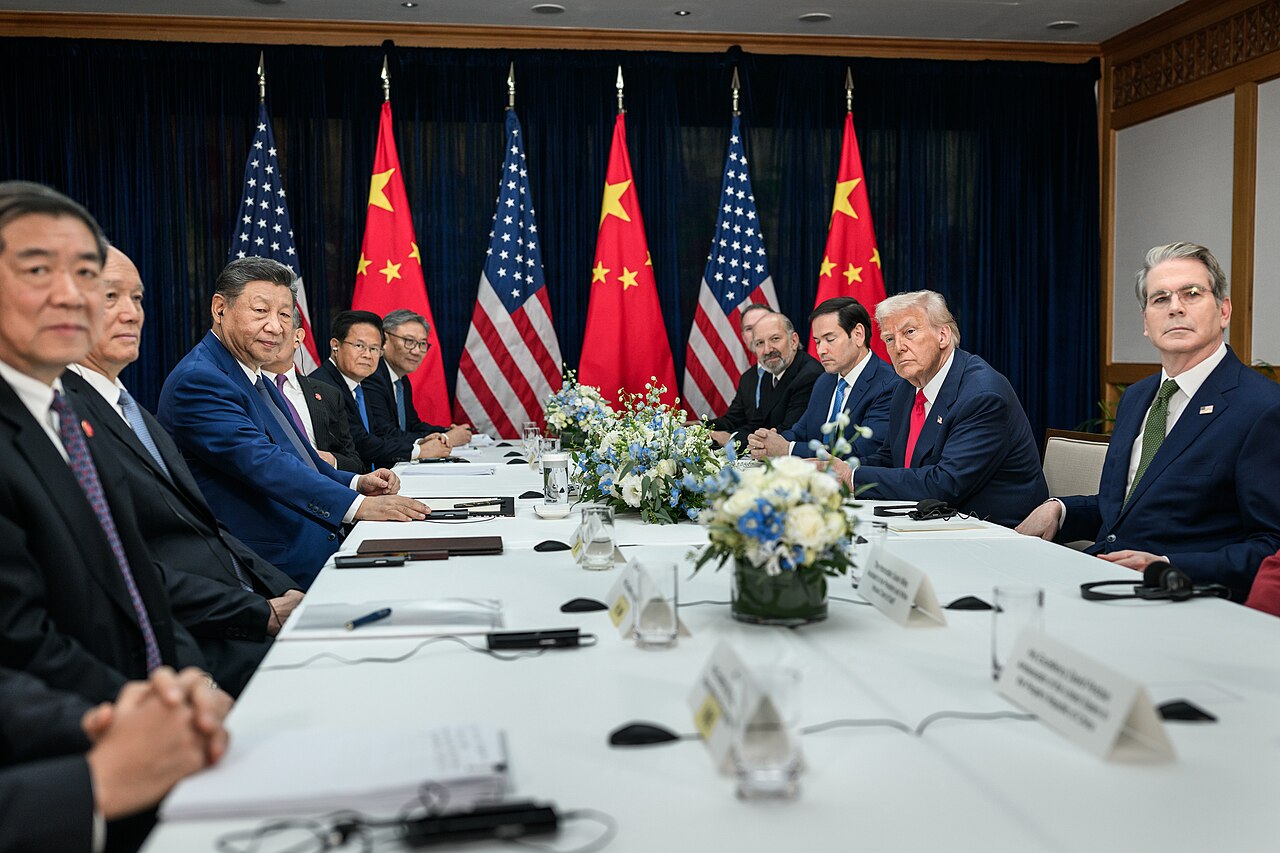
President Donald Trump has declared that imports of robots, industrial machinery and their parts threaten to impair US national security, but has stopped short of imposing tariffs. The proclamation, signed on 28 October 2026 under Section 232 of the Trade Expansion Act of 1962, follows a Commerce Department investigation into these imports.
Instead of duties, it directs the Commerce Secretary and the US Trade Representative to negotiate agreements with trading partners on these imports. They must report on the talks within 180 days.
Why the White House says it matters
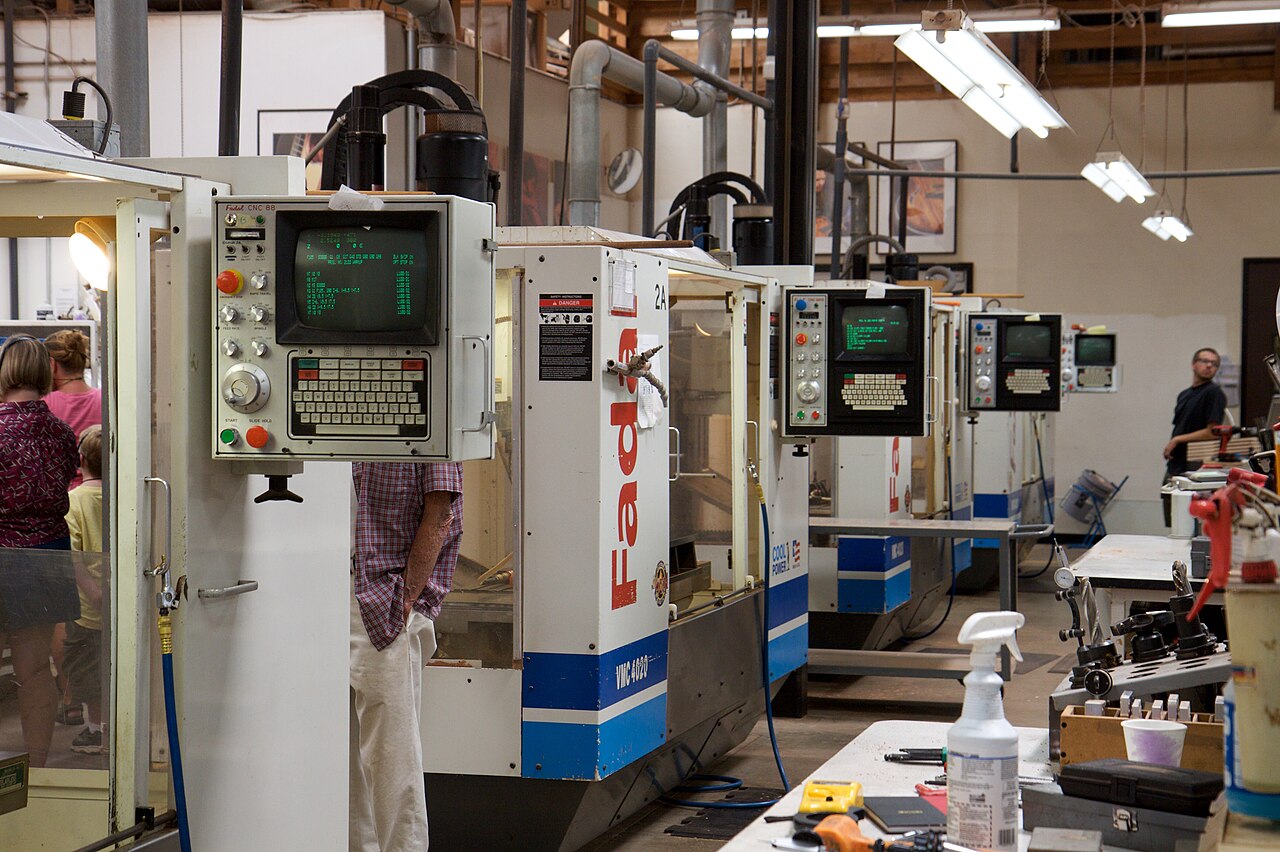
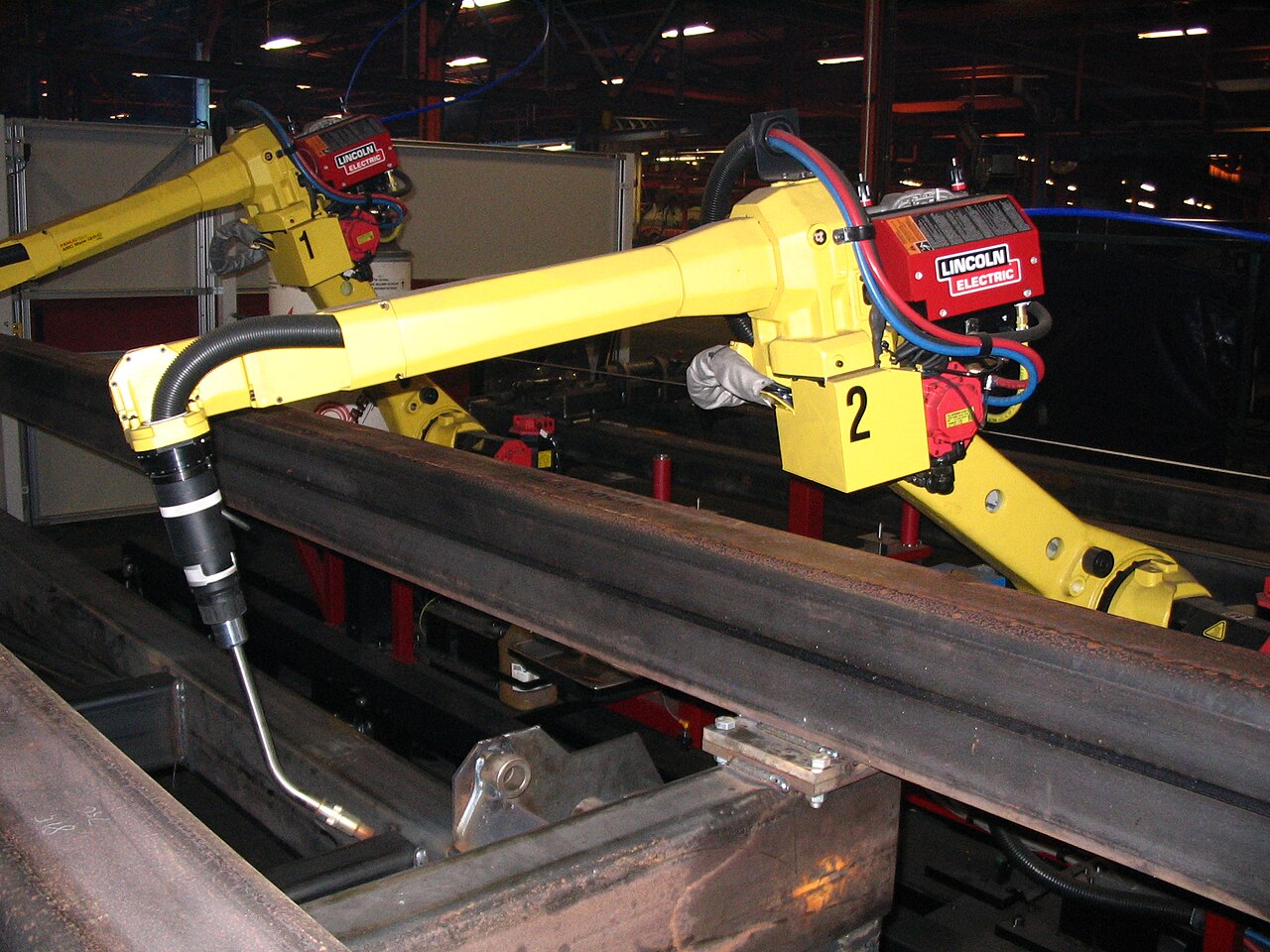
The administration argues that robots and industrial machinery are essential to almost all modern manufacturing, including defence production and critical infrastructure. It says the United States makes less of this equipment than it uses and depends on imports for most types.
According to the proclamation, the equipment underpins about $7.1tn of US manufacturing shipments, while domestic production of it was about $86bn in 2024. Mayer Brown, a law firm, notes that the Commerce report also flagged cybersecurity and safety risks from equipment made by certain foreign entities that processes sensitive data.
The finding gives Washington a ready legal basis for duties on factory equipment whenever talks stall.
Tariffs stay on the table
The proclamation leaves room for tariffs, quotas, fees or an investment incentive programme later, and asks Commerce to flag any need for further action. It names no country. Mayer Brown advises manufacturers and importers to prepare for possible restrictions in the coming months.
The White House lists it alongside earlier Section 232 actions on goods ranging from steel and copper to semiconductors and drones.
What to watch
- Which trading partners open talks with Washington on machinery imports.
- The 180-day update, due around late April 2027, and whether tariffs follow.
- How US factories plan equipment purchases while the threat of duties hangs over them.